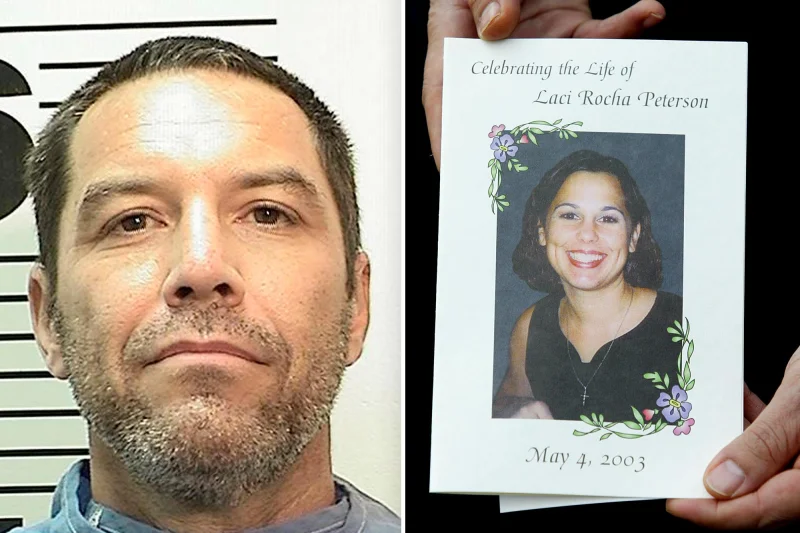
A&E is set to air a two-part documentary on July 16 and 17 that says new evidence could clear Scott Peterson in the deaths of Laci and their unborn son, Conner. The series, called Scott Peterson: The New Evidence, comes more than two decades after the Christmas Eve 2002 killings that sent Peterson, now 53, to prison for life in California.
That timing is why the case is back in front of viewers now. The documentary says it contains newly unearthed footage, alleged handwritten notes from Laci, and expert opinions, all offered as reasons to question the verdict against Peterson, who has repeatedly failed to overturn his conviction through the appeals courts.
Mark Geragos, who represented Peterson in his 2004 trial, said he loses sleep when he believes a client is innocent, and in Peterson’s case he says that feeling has lasted for years. The Los Angeles Innocence Project took over the case in 2024 and has argued in court filings that new evidence supports Peterson’s claim of innocence and raises questions about who abducted and killed Laci and Conner Peterson.

The series leans heavily on specifics that were never shown to the jury. It says previously unseen defense footage shows a weighted dummy causing the small boat to capsize when it was thrown overboard, a point meant to challenge the idea that Peterson could have dumped a body from the vessel in a way that fit the prosecution’s timeline. The documentary also says handwritten notes allegedly written by Laci suggest she knew about Peterson’s purchase of the fishing boat, which would undercut one of the case’s more damaging assumptions.
Chris Pixley, an Atlanta-based defense lawyer and legal analyst for ABC News, and retired Los Angeles Detective Ninette Toosbuy retraced Peterson’s Christmas Eve drive to the Berkeley Marina. They said it would have been nearly impossible for him to dispose of the body without witnesses in broad daylight or leave behind significant DNA evidence, a view that cuts against the theory that helped define the trial. The series also points to two strands of Laci’s hair found wrapped around a pair of pliers recovered under a seat on Peterson’s boat after her death, though no blood or tissue was recovered from the pliers and trial testimony described them as rusty from apparent lack of use.
The documentary does not erase the harder fact sitting underneath it: Peterson’s conviction has already survived years of legal attacks. That is the friction here. A&E is betting viewers will see a case built on missing context and contested science, but the courts have so far kept the verdict in place. When the documentary airs, the question will not be whether it makes the case sound different; it will be whether it can show enough to make the old evidence look unreliable.