


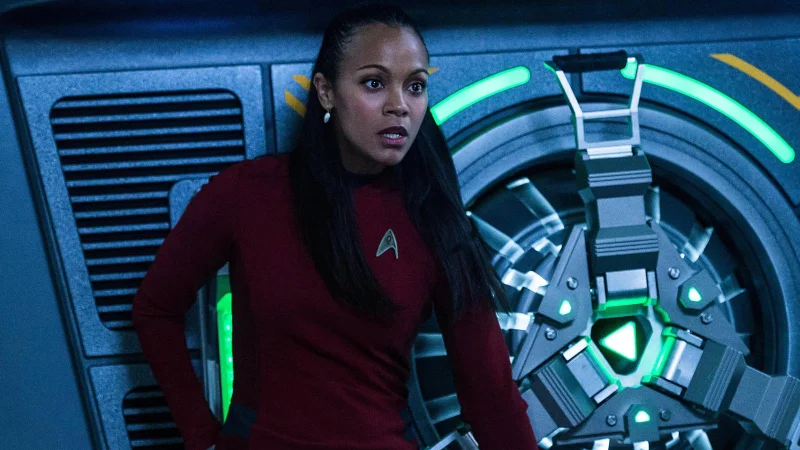
J.J. Abrams did something Star Trek had not seen in years: he made the only new Star Trek being produced for eight straight years. From 2009, when his reboot premiered, until Star Trek: Discovery arrived in 2017, the franchise’s screen life was carried by three films set in an alternate timeline.
That is why people are looking at Abrams now. For Trekkers, the stretch from the end of Star Trek: Enterprise in 2005 to 2017 was not just a gap in output. It was a long silence in the Prime Timeline, broken only by Abrams’ version of the future and its younger cast led by Chris Pine as Captain James T. Kirk and Zachary Quinto as Mr. Spock.

The sequence is simple, but the scale matters. Star Trek: Deep Space Nine ended in 1999, Star Trek: Voyager wrapped in 2001 and Star Trek: Nemesis landed in 2002 as a critical and box office bomb. After Star Trek: Enterprise was canceled by UPN in 2005, there was no new Star Trek on screen until Abrams’ 2009 film. Its sequels, Star Trek Into Darkness in 2013 and Star Trek Beyond in 2016, kept the run going and made Abrams’ trilogy the franchise’s only fresh big-screen output for 8 years.
That run also carried a built-in contradiction. The films were well-liked by many Trekkers because they restored Star Trek to the big screen, but they were also a sharp break from the style and content that had defined the earlier shows. Abrams put the story in the 23rd century of an alternate timeline, which solved one problem and created another: it let the movies move fast, but it left the Prime Timeline frozen while the screen franchise rebuilt itself around a different version of the same universe.
That is the part Star Trek still has not fully settled. Star Trek: Discovery reopened the door to new Prime Timeline storytelling in 2017, and Star Trek: Picard followed in 2020, but the Abrams years remain the reason the franchise now lives with two memories at once: one of the timeline fans had, and one of the timeline that kept Star Trek visible while that older one was off screen.
