


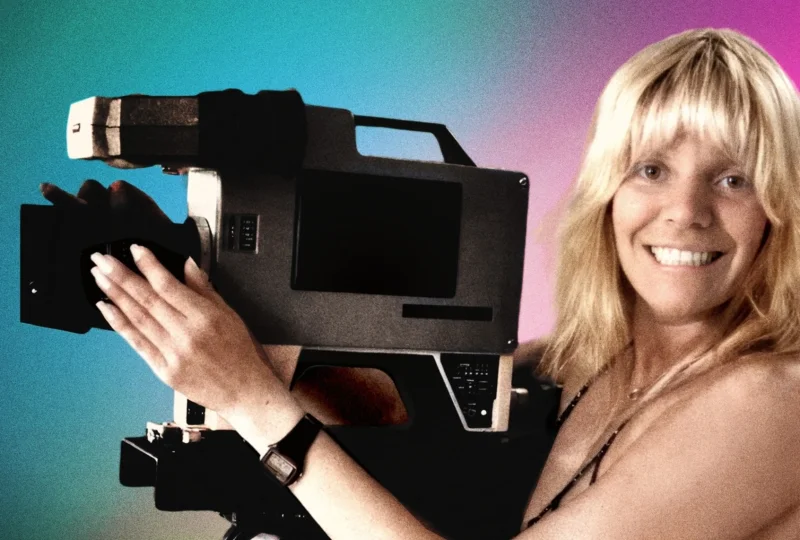
Robyn Byrd is back in view because a new documentary is revisiting the cable-access figure who turned an X-rated variety show into a New York staple. The film, Bang My Box: The Robin Byrd Story, lands as Byrd, now 70, is seen sorting through tapes in her Manhattan apartment, a reminder that her archive is still part of the story.
For viewers who knew The Robin Byrd Show, that return makes sense. The hour-long program aired every week on metro-area television sets through the 1980s and 1990s, and Byrd built it around sex-positive, queer-inclusive values at a moment when that kind of visibility was still hard to find on cable-access TV. Sandra Bernhard later called her a cultural avatar, and Joan Rivers introduced her in the early 1990s as one of New York's best-kept secrets.
The documentary was made by Jyllian Gunther and Stephanie Schwam, and its timing matters because Byrd's name still carries the charge of the old fights over what could be shown in public. Byrd has said the show became a lightning rod in the push to scramble adult-oriented public-access channels, which is one reason it drew both devoted viewers and people who wanted it shut down. That split is part of why the show lasted as more than a late-night novelty: it sat right at the line between sex education, performance and censorship.
Byrd's own memories make the scale of that line clear. She remembered introducing episodes with lines like, “Here's one with Heather Hunter,” and “Julie Bond was my first transsexual,” while also describing how she wanted to get “up close and personal” with Jeff Stryker. She also recalled filming an interview in bed in a hotel in Vegas, then having sex while Shelly filmed it. Those details help explain why the show was tantalizing to some viewers and offensive to others. It was not just provocative for shock value; it placed queer and sexual subjects in a format that many people thought should not exist on local television at all.
The film also brings in the personal life behind the persona, including Byrd's longtime co-producer and husband, Shelly, whose progressing dementia gives the documentary a quieter edge. That thread changes the meaning of the archive. What was once a weekly provocation is now also a record of a partnership, a body of work and a kind of public intimacy that no longer has the same place on television. The question the documentary leaves open is not whether Byrd mattered. It is how much of that unruly, boundary-breaking world can still be understood without the channel, the rules and the era that made it possible.
