


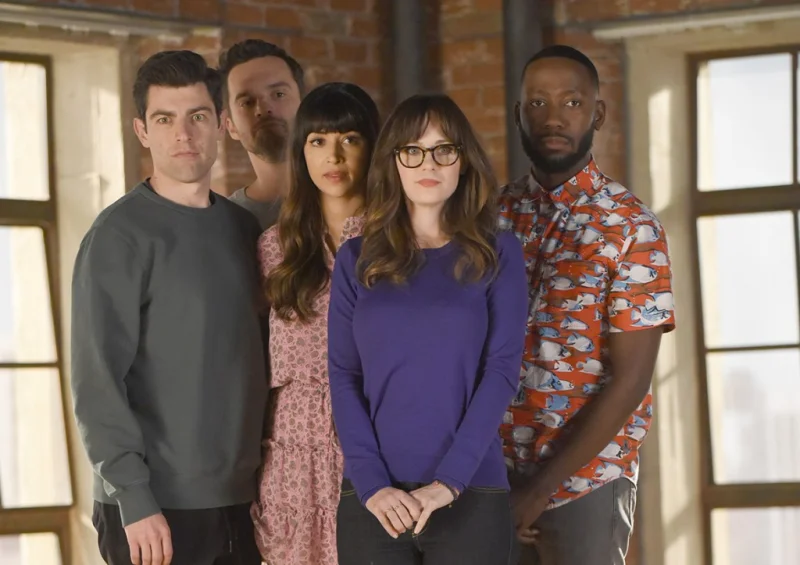
Zooey Deschanel said the New Girl cast had to fight to get Lamorne Morris cast as Winston, a behind-the-scenes decision she now says shaped the sitcom in a way that is hard to imagine without him. On July 6, 2026, Deschanel said on the Zach Sang Show that she and her castmates wrote to studio executives and network heads to press their case.
The comments drew fresh attention to a casting call that was not an easy win. Deschanel said the group believed Morris was the perfect fit for the role, and she put it even more plainly when she said it is “not possible” to picture the hit show without him. That kind of certainty matters because Winston was not the first role the casting process tried to solve. Before the character settled into the series, the show had already moved through other key choices, and those choices happened fast.
Deschanel said Max Greenfield and Jake Johnson were cast really quickly, while Damon Wayans Jr. signed on to play Coach because everyone already knew his work on Happy Endings. When Wayans had to return after filming the pilot because Happy Endings was renewed, the production suddenly had to find a new path. That is when the Winston search widened, and Deschanel said plenty of actors came in to audition.
Even then, she said, the case for Morris kept coming back up. Morris had auditioned for Coach first but never tested because he had already accepted another pilot that did not get picked up. After Winston became part of the show, Deschanel said she kept returning to Morris after reading scenes with nearly every actor who came in for callbacks. Her own letters went to the heads of the studio and the network, while Jake Johnson wrote to somebody different, with everyone writing to somebody different in their own way.
That split effort is the part that gives the story its edge: the cast was not simply endorsing a friend, it was trying to steer a high-stakes choice after executives had struggled to find the right actor. Deschanel said Hannah Simone was the only actor who came in for Cece and was deadpan rather than playing the character as ditzy, which shows how closely the ensemble was paying attention to tone as the show came together.
Deschanel’s account does not say which executives got the letters or whether the appeal itself changed the outcome. What it does make clear is that the eventual casting of Morris was not treated as a small detail inside the room. For Deschanel, it was the difference between a show that merely worked and one that, by her telling, could not be imagined without Winston.
