


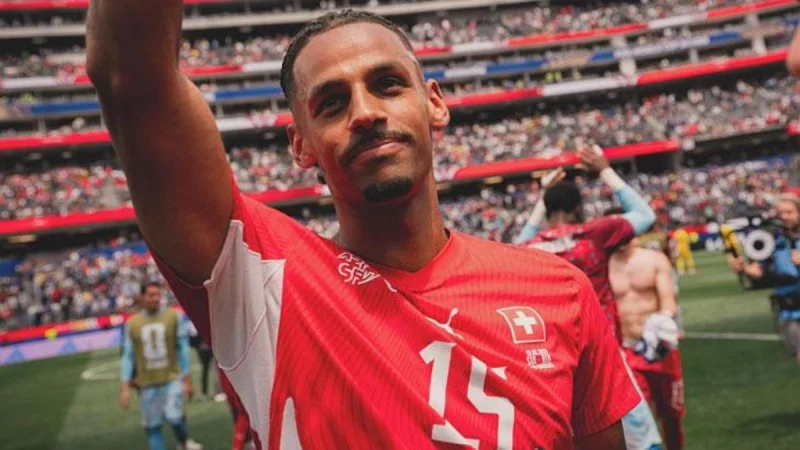
Switzerland made one change for its World Cup quarter-final against Argentina in Kansas City on Tuesday, bringing in Djibril Sow for Ardon Jashari. It was a small adjustment on paper, but one that put Sow at the center of a match that could send Switzerland into a semi-final against England.
The change was enough to draw attention because Switzerland had already used the same switch at half-time in the last-16 tie against Colombia, when Murat Yakin sent Sow on for Jashari after the break. That earlier move now looks less like a one-off and more like a choice Yakin trusts in a game where margins are thin and every possession matters.
Argentina came into the match as the defending champions, and Roberto Ayala, speaking for the team, framed the task in simple terms: it was “just another game” in physical and mental terms, but one against “an organised team with some great individual players.” He added that Argentina could break Switzerland down with its style of play if it managed to disrupt theirs.
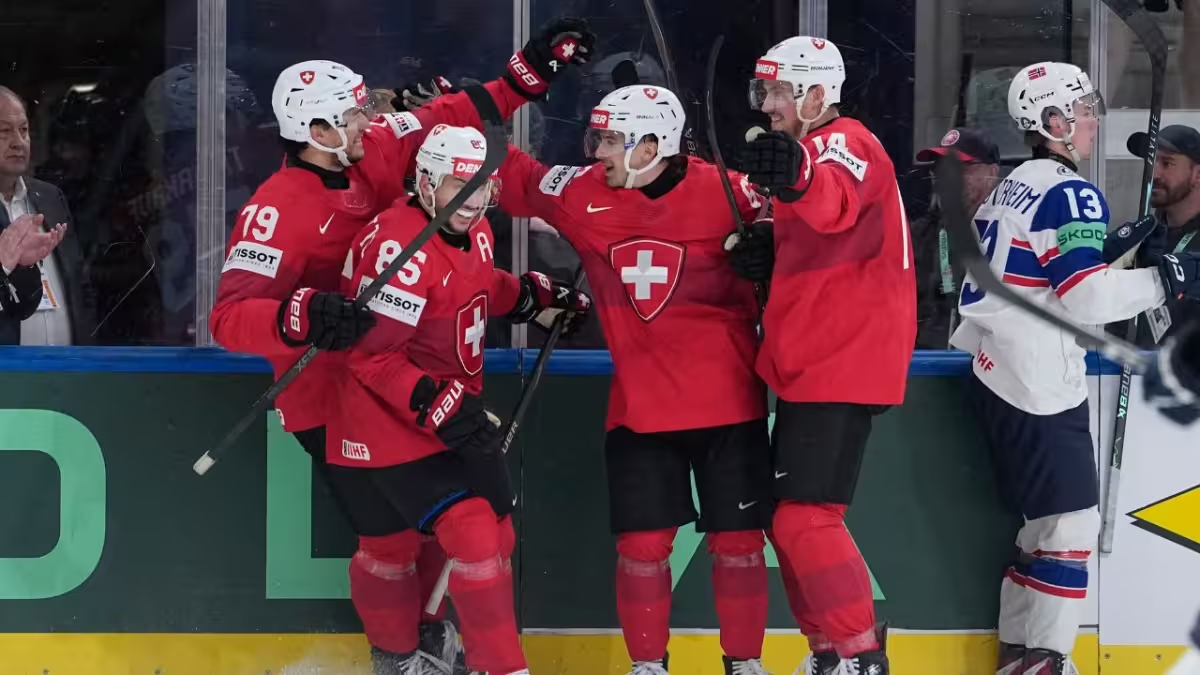
That is where Switzerland’s lineup decision matters. Yakin is not only trying to find the right balance against Argentina; he is also managing the risk around Denis Zakaria and Granit Xhaka, who carried suspension worries in the starting XI. Sow’s selection gives Switzerland a familiar option in the middle of the field without changing the shape of the contest, and that familiarity may be exactly what Yakin wanted in a quarter-final.
The winner will face England for a place in the final, with that semi-final set for Wednesday at 3 p.m. ET in Atlanta. England got there by beating Norway 2-1, which means the reward for the victor in Kansas City is not a pause to celebrate but a quick turn toward another heavyweight opponent.
For Sow, the moment is straightforward and unforgiving. He was not brought in as a headline act, but as the one change Switzerland was willing to make in a match with no room for error. If the adjustment works, it will be remembered as the decision that helped keep Switzerland alive in the 2026 World Cup. If it does not, it will be read as the single move that could not tilt the game back from the defending champions.
