


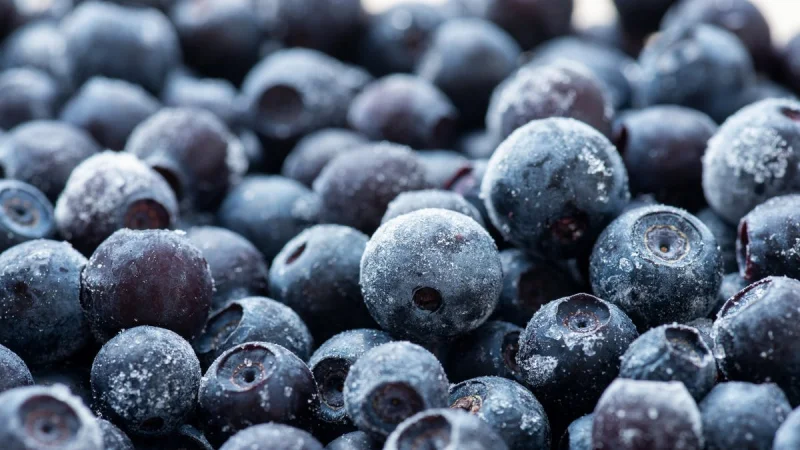
Publix shoppers in eight states were urged to check their freezers after one lot of GreenWise Organic IQF Blueberries was voluntarily recalled over possible E. coli contamination. The recall, announced July 3, applies only to 10-ounce packages with lot code 60401 and a best-by date of Feb. 9, 2028.
The timing made the alert more than a routine label check. Frutas y Hortalizas del Sur S.A. said it moved after receiving reports of illnesses tied to the product, and there have since been reports of 12 confirmed illnesses associated with E. coli O145:H28 infections reported between May 11 and June 5. For shoppers, the lot code and date are the only reliable way to sort the affected berries from everything else in the freezer.
Those blueberries were distributed to Publix stores in Alabama, Florida, Georgia, Kentucky, North Carolina, South Carolina, Tennessee and Virginia. That means the recall reaches a wide retail footprint even though it covers only one frozen lot, which can make it easy for shoppers to miss unless they are checking the exact package details.

E. coli O145 is a Shiga toxin-producing strain that can cause severe stomach cramps, diarrhea that may be bloody and vomiting. The bacteria can also lead to hemolytic uremic syndrome, a serious complication, which is why the recall matters even before investigators have finished tracing the source.
That source is still not pinned down. Frutas y Hortalizas del Sur S.A. said it instructed customers who received the affected lot to remove it from distribution and is investigating the source of the potential contamination, a reminder that the recall is responding to illness reports even as the underlying problem remains under review. Consumers who have the affected blueberries should not eat them and should either discard the product or return it to the place of purchase for a full refund.
For now, the most important step is simple: check the freezer, match the lot code, and act on it if the package is 10 ounces and carries the Feb. 9, 2028 best-by date. The illnesses already reported give the recall its urgency, and the unanswered question is not whether shoppers should pay attention, but how much of the recalled lot has already been eaten.
