


Pedro Proença said Portugal’s World Cup result fell short of expectations after the team’s early exit, and he framed the disappointment as a poor return for a squad he said had the quality to go further. He also thanked supporters in the United States, Canada, Portugal and around the world.
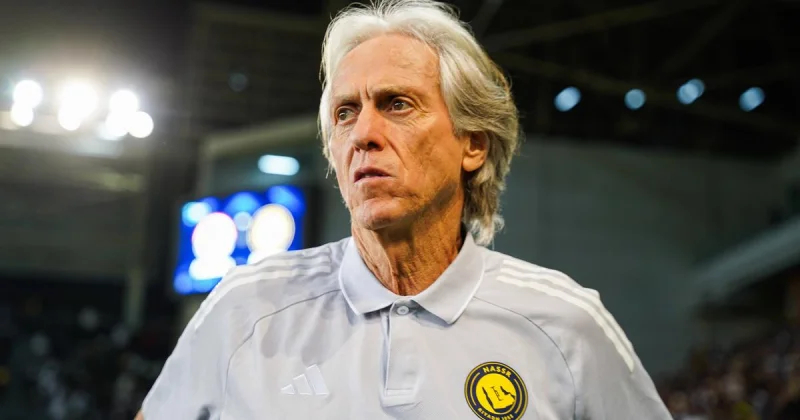
The federation president’s remarks landed on the same day Roberto Martínez made clear he was finished as Portugal coach. In the press room, Martínez said the match against Spain had been Portugal’s best of the tournament and that the players had deserved extra time, adding that it was certain the game was his last in charge. That left a blunt contrast at the top of the national setup: one side calling the tournament the team’s strongest showing, the other calling the outcome below expectations.
Diogo Costa, the man who kept Portugal alive for long stretches, said he would trade his performance for a victory. He said the team were missing a bit of luck, and the feeling was easy to understand after he produced several important interventions before Spain’s late goal settled the match. For a goalkeeper, the line between a memorable night and a lost one can be cruelly thin.
Proença’s judgment also turns the page toward what comes next. Portugal will begin qualification for the Liga das Nações in September, which means the federation does not have the luxury of a long pause before the next competitive cycle starts. The immediate issue is leadership. Martínez has gone, the exit has already been described as short of what Portugal should have delivered, and the next coach will inherit a team judged against expectations that were not met in the World Cup.
That pressure will not disappear because the calendar advances. A team that exits early, loses its coach on the same day and hears its president call the result below expectations does not get the comfort of a quiet reset. It gets September, and a demand to answer quickly.
