


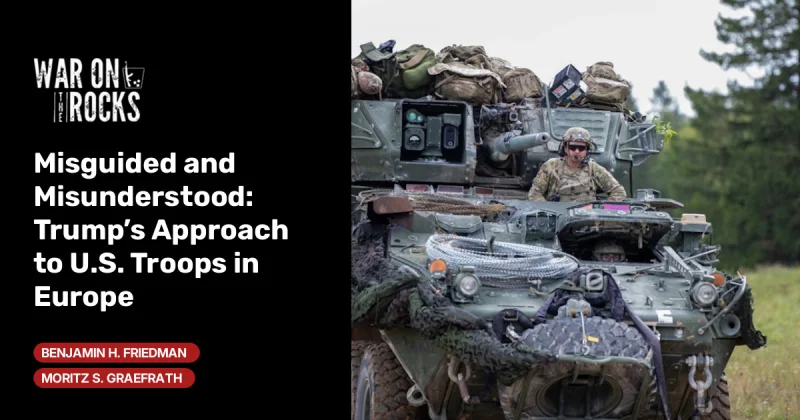
Pete Hegseth said in Brussels on June 18, 2026, that the Trump administration will carry out a real review of America’s force posture and basing in Europe, a move that could reopen questions about how the United States supports NATO. He cast the effort as part of a push to make the alliance more balanced, with Europe taking the lead for its own defense.
The speech landed now because it came with a summit on the calendar for early July and because any change to U.S. posture would touch a presence that remains enormous: more than 80,000 troops are stationed in Europe. Hegseth argued that the goal is to move NATO “fast and irreversibly” toward Europe leading, language that made the review sound broader than a routine bureaucratic check.

For readers tracking the administration’s stance, the announcement fits a pattern that has already rattled allies. Hegseth has accused Europe of turning the United States from Uncle Sam into “Uncle Sucker” by not paying its fair share, while J.D. Vance has attacked modern European culture at the Munich Security Conference. Together, those moves have suggested a harder line on Europe even as the White House has not broken with NATO outright.
That is where the gap opens. The administration is publicly warning that it may rethink its military footprint, but it is also signaling something much narrower than a withdrawal. It has been trimming commitments at the edges and using defense-spending demands as leverage, not preparing to walk away from Europe’s security architecture. A review can still matter, though, because even small shifts in basing, deployments, or readiness would ripple through NATO planning.
The next test comes at the NATO summit in Ankara in early July, where the debate over U.S. policy in Europe is expected to sharpen. Hegseth has put the question on the table; the summit will show whether the review becomes a real change in posture or mostly a way to force Europe to pay closer attention.
