


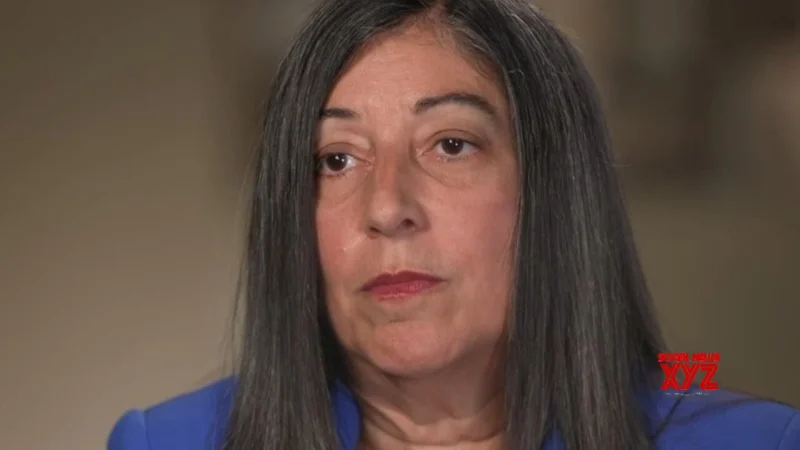
While CDC staff were racing to stop the worst measles outbreak since 2000, Robert F. Kennedy Jr. and his allies were asking for years-old data on the disease and its vaccine. Debra Houry, the former CDC chief medical officer, said on Wednesday that the requests landed while children were being hospitalized and dying.
More than 2,000 measles cases were reported nationwide last year, including hundreds in West Texas tied to the deaths of two children. Houry said the scale of the outbreak made the data hunt especially jarring because the agency’s focus had to stay on the live response, not on digging back through years of records.
In her account, Kennedy aides asked for information on people with measles who had died and for 15 years of data on every measles case, including whether the patients had any other diseases when they died. Houry said she told them in an email that the active measles response had to take priority, and she later provided a trove of newly released emails to the Senate health committee. She said the requests were not based on science or reality, but were aimed at answering an agenda that was already in place.

The clash matters because measles was spreading while public messaging about the vaccine was also moving. CDC data showed that 93% of people who caught measles last year were either unvaccinated or had an unknown vaccination status, which made the question of how officials talked about the disease and the MMR shot unusually sensitive. Houry said Kennedy spoke positively about the MMR vaccine at times, but she also said he made inaccurate claims about its ingredients and promoted other treatments.
That mix, she argued, was part of the problem. In spring 2025, Houry said she emailed Kennedy’s aides to see whether health officials could help him with his talking points, then corrected him after he said there were fetal parts in vaccines. There is no fetal debris in vaccines, she said, and messaging that blurred that line risked shaping what people did while the outbreak was still unfolding.
Kennedy also talked about healers and treatments such as steroids, antibiotics and vitamin A, and in TV appearances and an opinion piece on he called vitamin A an effective measles treatment. He pointed to a CDC statement recommending the supplement and said studies had found it could dramatically reduce measles mortality. Houry said hospitals were seeing vitamin A toxicity cases after people took too much of it in response to that messaging, a reminder that advice delivered during an outbreak can travel faster than the correction.
Houry resigned from the CDC in protest last summer, one of four senior officials to leave at the time, and she said she had already seen how quickly a public-health response can get pulled off course. Her emails now sit before the Senate health committee, but the central unanswered question is not whether the requests were made. It is whether any scientific advice ever reached Kennedy with enough force to change what he said next.
