


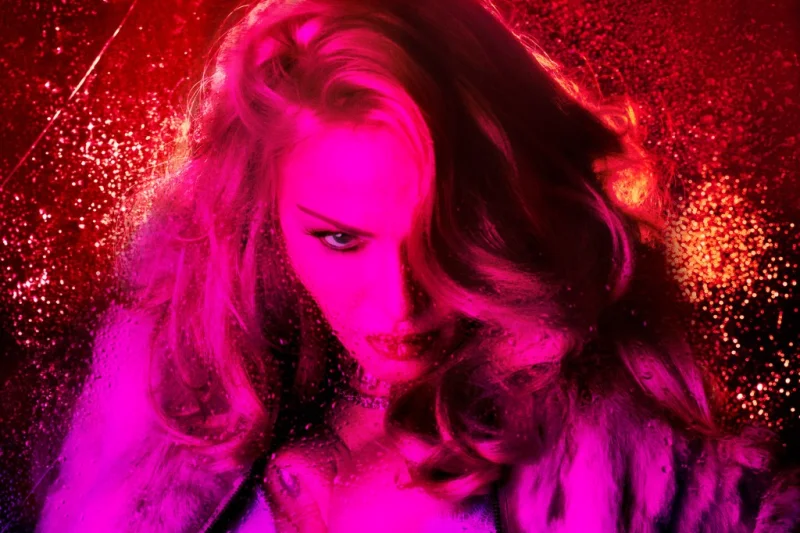
Madonna has released Confessions II, a sequel to Confessions on a Dance Floor and her first sequel album, arriving 21 years after the 2005 record that sent her back to the club floor. Stuart Price is back in the mix, giving the new project a direct line to one of the most successful stretches of her career.
That is why listeners are searching for this now: Confessions on a Dance Floor topped the Billboard 200 and produced the Billboard Hot 100 top 10 hit Hung Up, so anything carrying its name invites a very specific test. Confessions II is being cast as Madonna’s most compelling release since that era, and it is already drawing attention because it revives the dance-driven sound that made the original so durable. A related look at the project is also captured in Madonna Confessions 2 is hailed as her best album in two decades, which reflects how quickly the sequel has become part of the conversation.

Price’s return matters because he was not just a studio name the first time around; he also served as musical director on Madonna’s Celebration Tour in 2023, and he has described their working shorthand as immediate when they reconnect. That kind of continuity is the clearest evidence that Confessions II is meant to feel like a true follow-up rather than a loose nod. The album also reaches beyond nostalgia, with one track pairing Madonna with Martin Garrix and another song that appears to look back at Sean Penn. She and Sean Penn were together from 1985 to 1989, and the new lyric does not hide much: it points to a movie star with deep blue eyes, says, “He drove way too fast/Shelby Cobra wasn’t built to last,” and adds, “Only love can be so bizarre.”
But the sequel does not land as a pure rerun. Parts of it are said to disappoint listeners hoping for a straightforward Confessions on a Dance Floor redux, which is the risk that comes with revisiting a record that set such a high bar. One song opens with Madonna talking about life, energy never dying, and a portal, a sign that she is not just replaying the past but trying to give the club album format a new emotional center. The unresolved question is not whether she can still make dance music; it is how many of the 16 tracks can carry the weight of a title that points straight back to 2005.
For now, Confessions II reads as both a continuation and a test. If the album really is Madonna’s first sequel, then its success will rest on whether that return to the dance floor feels earned rather than imitated.
