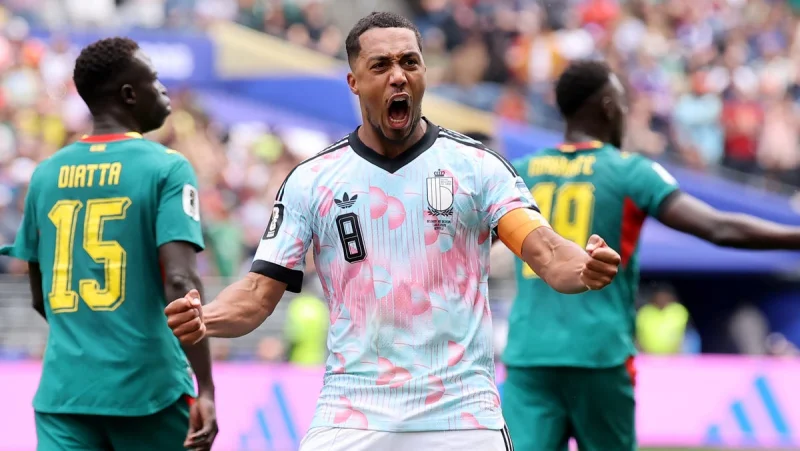
The World Cup knockout stage does not leave tied matches hanging. If 90 minutes ends level, teams play 30 more minutes, split into two 15-minute halves, and if that still does not settle it, the game goes to penalties.
That is why readers are asking now about how many subscribers are in the World Cup, even if the real issue is how the tournament handles a match that refuses to end. Once the knockout phase begins, there has to be a winner on the day, and the rules are built to make that happen.
The 2022 World Cup final between France and Argentina showed exactly how far that can go. The match finished 2-2 after 90 minutes, Lionel Messi scored his second goal in the 108th minute, Kylian Mbappe converted a penalty 10 minutes later, and Randal Kolo Muani was denied a winner by Emiliano Martinez. Even then, the match still needed penalties. Extra time is meant to settle knockout games before they reach that point, but it does not always do the job.
The structure is simple. Teams swap sides at the midway point of extra time, and each side is also allowed an extra substitution for that 30-minute stretch, bringing the total to six changes across a match that can last 120 minutes before penalties begin. If the scores are still level after extra time, five players from each side take an initial five spot kicks per team. If that does not separate them, the shootout turns to sudden death.
That is part of what makes knockout matches different from group-stage games. In the group stage, a draw can stand because points can be shared. In the knockout rounds, that is impossible, so the schedule keeps moving until somebody wins. The format has also become more noticeable because mandatory three-minute hydration breaks are now included in this World Cup, and Pierluigi Collina instructed officials to add on more time than usual at the previous World Cup in 2022 after saying matches were averaging more than 100 minutes.
The result is that a knockout match can now feel longer than the old clock suggests, with stoppage time, hydration breaks and extra time all adding up before penalties even arrive. That makes the real question less about whether a game can end level, and more about how much longer fans and players will be asked to wait before it finally cannot.