


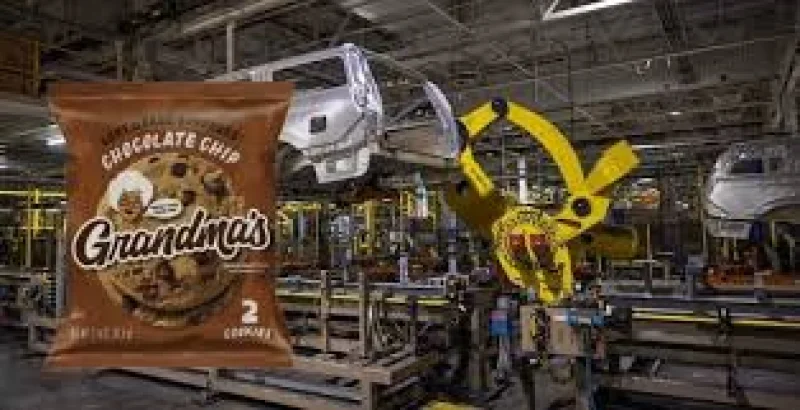
Ford offered Kurt Kromm his job back after confirming that the 60-year-old UAW member had, in fact, paid for the $1.95 cookie that got him escorted out of the Kentucky Truck Plant in Louisville. The company’s reversal came only after Kromm produced bank records showing the charge, turning a theft accusation into a payroll-and-policy dispute that Ford could no longer defend.
Kromm had worked for Ford for 11 years when, he says, his blood sugar tanked around 3:30 a.m. on a Saturday shift and he went to buy a Grandma's cookie. He says the first Aramark self-checkout kiosk flashed a failed transaction, so he moved to a second kiosk, paid, ate the cookie and went back to work. A week later, he was called in and told he had been seen on video stealing it.
That sequence is why the case drew attention now: it was not a fight over a large loss or a repeated pattern, but a single snack purchase that ended in a firing before the payment was checked. Kromm later found the $1.95 charge on his bank statement and sent notarized records, and Ford eventually confirmed the payment with Aramark before offering to restore him to his job.
But the fix came with a cost. Ford cut Kromm roughly $28,000 in back pay for the five weeks he was off the job, about $5,000 less than the union had expected. Kromm said that made the offer hard to swallow, along with the way he was treated when security marched him out and he was told he was a thief. “First you tell me I’m a thief and then you tell me I’m a liar,” he said in effect about the company’s first move and its later reversal.
The company did not say it disciplined any managers or security staff over the firing, and that silence leaves one of the sharper questions hanging: who, if anyone, answered for not checking the payment before Kromm was escorted out. Ford did say there are times when it looks into things and realizes they could have been handled differently, and reportedly agreed to change its policy so workers are suspended over suspicious kiosk activity instead of fired outright.
Kromm declined the reunion and took a new job back in Kenosha, Wisconsin, planning to return to Louisville only long enough to collect the tools Ford made him leave behind. The outcome closes the loop on the cookie dispute, but it does not erase the central lesson: once Ford confirmed the payment, the firing became untenable, and the company’s own policy change suggests it knows that now.
