


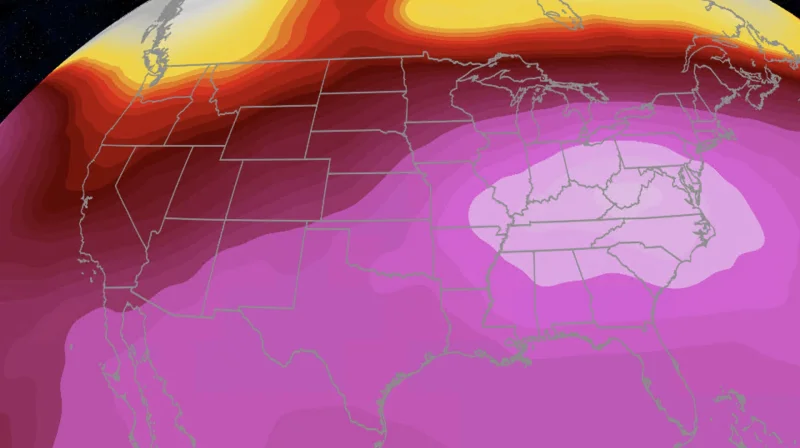
A massive heat wave is trapping more than half of the United States under a heat dome through the July Fourth holiday weekend, and more than 300 temperature records are expected to fall by Saturday. From the Midwest to the East Coast, heat indices of 100 to 115 degrees are possible, turning a holiday built around outdoor plans into a test of endurance for millions of Americans.
The scale is what makes this dangerous. CBS News meteorologist Nikki Nolan said more than 100 record highs and more than 200 record warm overnight lows are expected through Saturday evening, which means the heat will not let up when the sun goes down. Some spots could also shatter records that are more than a century old, a sign that this is not just a hot stretch but a sustained event pushing temperatures 20 to 30 degrees above average.
In New York City, Zohran Mamdani told more than 8 million residents to stay inside and stay cool as the city opens cooling centers throughout the five boroughs. The city is also deploying vans staffed with nurses and paramedics for the first time, sending them out to hand out water, electrolytes and sunscreen, perform wellness checks, transport people to cooling centers and make in-home visits to vulnerable residents. Mamdani said, “These are extremely dangerous conditions,” and urged New Yorkers to follow his advice. He added that if someone happened to be getting married at Madison Square Garden, they would be staying inside and staying cool too.

Washington, D.C., is facing its own collision of weather and celebration. The National Weather Service issued an extreme heat watch for Thursday and Friday, with temperatures forecast to reach 103 degrees, then 101 degrees on Saturday, July 4. That would top the city’s highest recorded temperature for that date, 100 degrees set in 1919, just as the city prepares to mark the nation’s 250th birthday with all-day festivities and more fireworks than in previous years.
The friction is simple: the holiday is built for crowds, shade is scarce, and the heat keeps rising. Muriel Bowser told people to “plan ahead, stay in the shade and limit time outdoors,” while the National Park Service reminded visitors that “the sun is not playing around” and urged them to stay hydrated, take breaks in the shade, wear a hat and sunscreen, sploot responsibly, know their limits and look out for one another. In Nashville, where temperatures could reach 101 degrees and feel like 114, heat patrols have already started handing out cold bottled water to the city’s homeless population during peak hours.
The public health warning is wider than the forecast itself. Heat is the leading cause of weather-related deaths and is especially dangerous for older adults, and doctors say confusion is the key sign that heat stroke is turning into an emergency. Dr. Catrina Cropano of Mount Sinai West said altered mental status, especially confusion, is what separates heat stroke from milder illness. After more than 1,300 additional deaths were reported during last week’s heat wave in Europe, the next few days in the United States look less like a summer spell and more like the kind of heat event that demands a plan before people step outside.
