


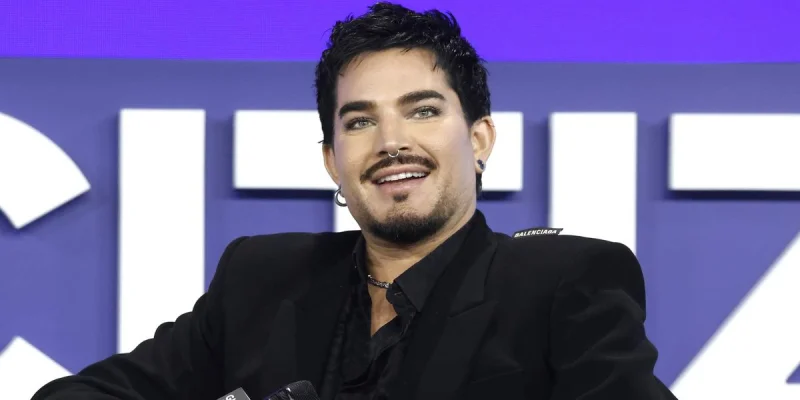
Adam Lambert says toxic masculinity is shaping how some gay men see themselves, and he says the pressure to fit a narrow masculine ideal is showing up everywhere from self-image to dating. In a new interview with Josh Smith's Great Chat Show, he argued that the strain lands especially hard on gay men because society still tells men how they should act, look and present themselves.
The timing is what gives his remarks extra weight. Lambert has been speaking publicly about LGBTQ+ Pride Month this year, and his latest comments put a sharper edge on a debate he says has been building inside the community for years: how much of the urge to blend in comes from fear, and how much comes from wanting to be accepted by the straight world. He said gay women face their own pressures, but that gay men are scrutinized more harshly because masculinity remains the measure.
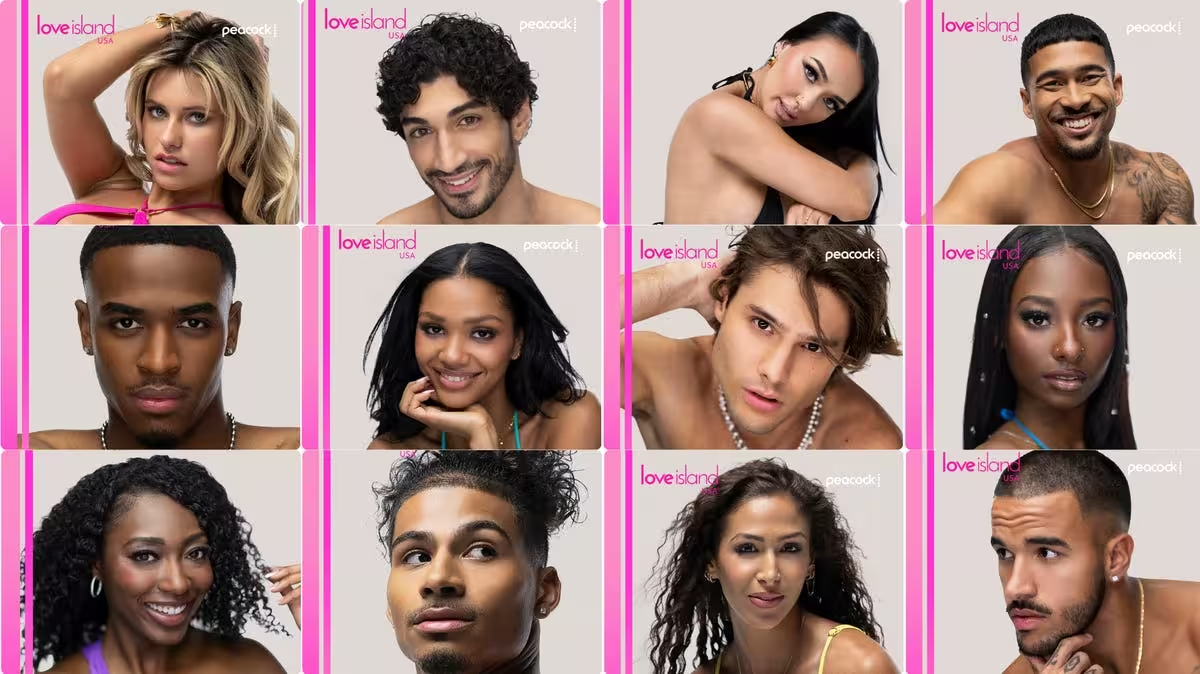
Lambert did not frame the issue as an abstract theory. He said he saw a picture of gay men on holiday and thought they all looked the same, even while praising them for working hard in the gym. That scene, he said, made him uneasy because he wants people to stand out and express something singular rather than disappear into a look that reads as safe. His point was blunt: in his view, too many men are trying to look like the same kind of man in order to be seen as desirable.
That conflict sits at the center of his argument. Lambert said some gay men tell themselves they just want to be normal, “like a straight guy except” they sleep with men, but he pushed back on that instinct. He called himself a creative, a theater kid and an artist, saying difference is part of the point. He also said that some of the pressure comes from outside the community, but a lot of it comes from within it, where he believes shame around anything other than a masc man has encouraged assimilation.
His remarks also fit into the longer arc of his career. He said that when he first came out into the music scene, there were not really any other gay men doing mainstream pop music, and he described himself as part of a wave of visibility that helped change that. Nearly a decade and a half after his album debuted at No. 1 on the Billboard album chart, Lambert is still presenting himself as both a witness to that shift and a critic of the standards that followed it. The unanswered question is whether his warning about sameness will land as a call for more openness, or as just another reminder that even inside LGBTQ+ spaces, belonging still comes with a price.
