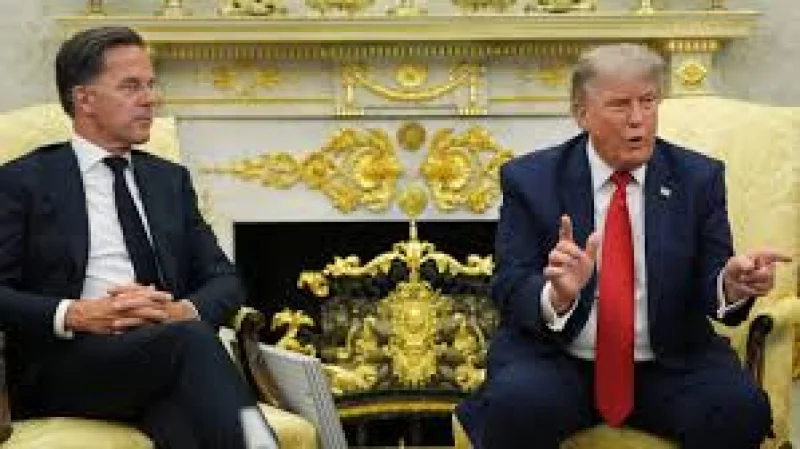
The Senate for the first time approved a war powers resolution on Tuesday to block U.S. military action against Iran, handing Donald Trump a narrow but clear rebuke on a fight he has repeatedly framed as his own. The vote was 50-48.
For readers watching the Senate walks back rebuke debate now, the timing mattered because Trump had already warned on Monday, “I will do what I have to do” if Iran failed to uphold its peace deal with Washington. That came after U.S. and Iranian officials concluded initial talks in Switzerland aimed at securing a lasting end to the conflict, and it put the chamber on a collision course with the White House just as lawmakers were deciding whether to limit the president’s room to act.
The resolution was the 10th time the Senate has tried to stop the war, and it marked the first time that chamber has actually approved such a measure. The House approved the resolution earlier this month, but the Senate version remained largely symbolic and did not fully carry the force of law. In practice, that meant the vote registered political resistance more than an immediate legal stop, even as it showed growing unease among Senate Republicans over Trump’s approach to Iran and the deal he struck to end the conflict.

Chuck Schumer put that divide in blunt terms, saying, “Time after time, the vast majority of Senate Republicans sided with Trump and his war instead of the American people.” The line underscored the friction inside the chamber: lawmakers were willing to vote on restraint, but not all were willing to turn that restraint into something with teeth. The result was a resolution that could embarrass the administration, but not automatically bind it.
Trump, meanwhile, kept his focus elsewhere on Tuesday in the Allentown suburbs, briefly mentioning the war in Iran while telling supporters the U.S. is “the hottest country by a lot.” He also pointed to Ryan Mackenzie and said, “We gotta get you back in,” while claiming his tariffs are driving a boom in new factory openings. That pitch sat alongside Census Bureau data showing construction spending on manufacturing has fallen nearly 23% from an August 2024 peak, a reminder that the political message and the economic record are not always moving in the same direction.
What happens next is already set: John Thune was expected to meet with Trump at the Capitol in Washington on Wednesday. The Senate’s vote does not settle whether U.S. military action against Iran can be constrained in any meaningful way, but it does show that even with a deal in place and talks under way, the administration is facing a growing Republican willingness to test Trump’s war policy rather than simply follow it.