


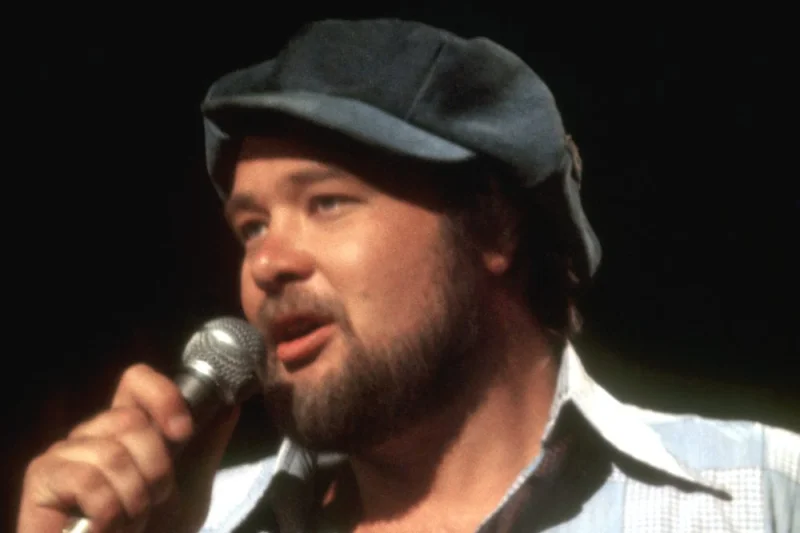
David Clayton-Thomas, the lead singer who carried Blood, Sweat & Tears to its biggest hits, died peacefully at a Toronto hospital on Wednesday evening. He was 84.
For listeners who grew up with late-1960s radio, his name was tied to songs that seemed to arrive everywhere at once: "Spinning Wheel," which he wrote, along with "When I Die" and "You’ve Made Me So Very Happy." Each reached No. 2 on the Billboard Hot 100 in 1969, and the band followed with two Grammys in 1970, including best album.

Clayton-Thomas was born David Henry Thomsett in Surrey, England, on September 13, 1941. After World War II, his family moved to Canada and settled in a town outside Toronto. He left home in his early teens, ran into the law, and passed through a string of jails and reformatories before learning guitar in one of them. After his release in 1962, he gravitated to Yonge Street, where Ronnie Hawkins mentored him and Judy Collins later heard him sing one night in New York and told Bobby Colomby.
That connection helped bring several members of Blood, Sweat & Tears back around Clayton-Thomas, and in 1968 they released a self-titled second album produced by James William Guercio. It included "Spinning Wheel," "You’ve Made Me So Very Happy" and "And When I Die," topped the Billboard albums chart for seven weeks and remained in the top 200 for nearly two years. The band became one of the era’s signature brass-driven rock-soul acts, playing Madison Square Garden, the Hollywood Bowl and Woodstock, and later adding hits such as "Lucretia MacEvil" and "Go Down Gamblin’."
But the climb did not last forever. Blood, Sweat & Tears won two Grammys and filled radio with Clayton-Thomas’s voice, yet its star faded as the 1970s moved on, even as he kept working as a solo artist and in later versions of the band. The unanswered question now is the cause of death, which was not disclosed. What remains clear is that one of the most recognizable voices of that era is gone, and the songs still do the work he once did.
