


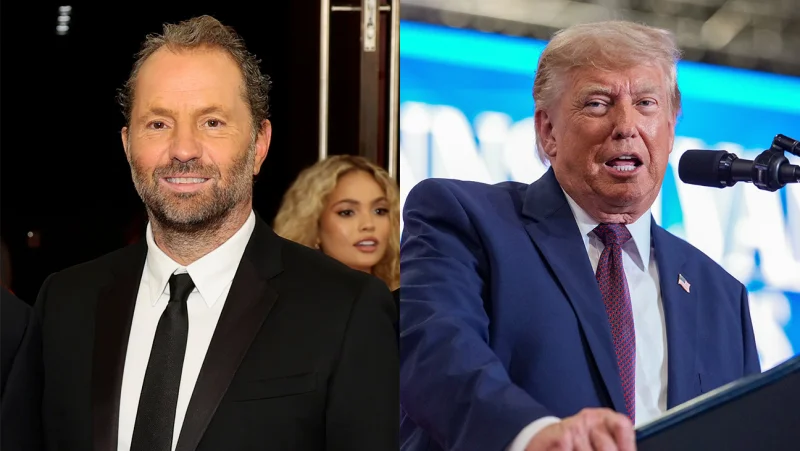
Live Nation disclosed in federal court on Monday that Michael Rapino spoke with Donald Trump in February 2026 before the company settled its monopoly lawsuit with the Department of Justice. The filing put a named Trump connection on a case that had already turned into one of the most closely watched antitrust fights in the concert business.
The disclosure matters because Live Nation said the February conversation touched on the status of the DOJ lawsuit, even as it said no substantive settlement terms were discussed. That distinction sits at the center of the new filing, which was made under the Antitrust Procedures and Penalties Act and follows a settlement reached days into the March trial, after more than 30 states decided to press ahead on their own.
Live Nation said Rapino and Trump discussed a variety of topics related to the company’s business, and that the lawsuit itself came up. But the company also said the exchange did not cover any substantive terms tied to a possible settlement. For readers trying to trace how a deal emerged in the middle of trial, that leaves the same basic question unanswered: what, exactly, moved the negotiations from months of talks into a settlement at that moment?
The chronology now fills in more of the gap. Live Nation said it had been in conversations about a potential settlement from February 2025 through March 2026, that settlement discussions with the DOJ began last September after meetings at the Office of the Attorney General in June 2025, and that Live Nation discussed a settlement first with the DOJ and then with the office of white house counsel in February and March 2026. In that sequence, the Rapino-Trump conversation lands not as a formal bargaining session but as part of a wider period of pressure and contact around the case.
That broader backdrop also explains why the filing drew attention beyond the company and the government. The monopoly lawsuit was first filed in May 2024, and the settlement came only after the case had moved to trial. More than 30 states then decided to continue with the trial on their own, a sign that the DOJ deal did not settle the larger political and legal fight over Live Nation’s conduct.
For Rapino, the issue is now public in a way it was not before. He later described the settlement as “a major step in improving the concert experience for artists and fans throughout the United States,” but the filing shows that the path to that deal was not a single conversation with Trump or a sudden change in tone. It was a long negotiation that accelerated in the final stretch, even as the states kept going.
