


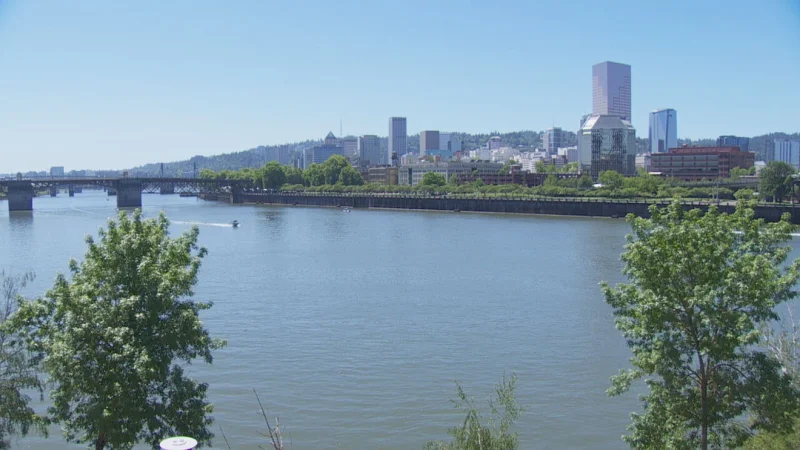
Astronomical summer begins on Sunday, June 21, when Portland reaches the longest day of the year and the sun climbs to its northernmost point in the sky. The city gets nearly 15 hours and 41 minutes of daylight, with sunrise at 5:21 a.m. and sunset at 9:03 p.m.
That makes June 21 the longest stretch of daylight Portland will see all year, and it starts a season that lasts nearly 93 days until the September equinox. At noon, the sun stands about 68 degrees above the southern horizon, a sharp contrast with December, when Portland gets just under nine hours of daylight and the noon sun reaches 21 degrees.

Jim Todd said the word “solstice” comes from the Latin words sol, meaning sun, and sistere, meaning “to stand still.” That is the idea behind the name: the June solstice is the moment the sun reaches the Tropic of Cancer before beginning its apparent journey south again. It is the point at which the year’s northern march pauses, and the daylight pattern begins to turn.
The date also carries a built-in edge. The June solstice is the only day of the year when all locations inside the Arctic Circle experience 24 hours of continuous daylight, and atmospheric refraction can make the midnight sun visible a few days before and after the solstice from places as far as 60 miles south of the Arctic Circle. The farther north someone travels, the more days of midnight sun they will see.
In Portland, the season arrives under very different conditions. KATU declared a Storm Tracker 2 Weather Alert for Monday, Tuesday and Wednesday for high heat and temperatures nearing 100, a reminder that the longest day of the year can come with more heat than light. Longest Day Of The Year 2026 arrives June 21 at 4:24 a.m. ET, but this year’s version already shows how quickly the calendar can move from the start of astronomical summer to the grip of midsummer weather.
