


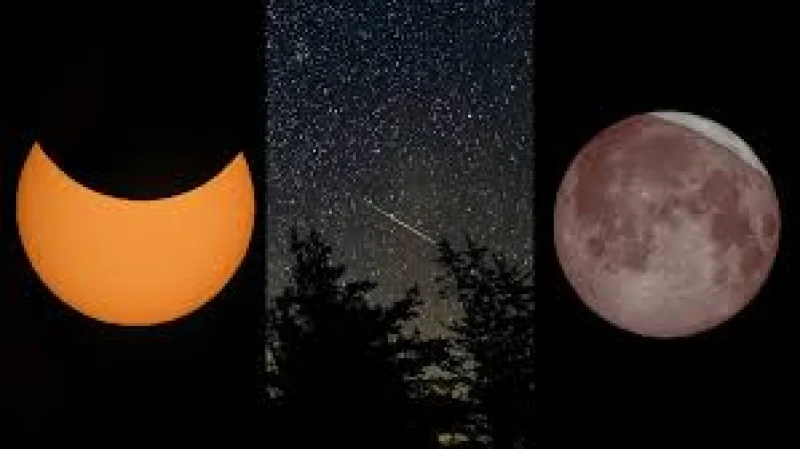
The Perseid meteor shower is set to reach its 2026 peak on August 13, with the best viewing likely coming in the mornings of August 12 and 13. That gives skywatchers a narrow, date-specific window to plan around now.
The timing matters because the peak lines up with a new moon, which should leave the sky darker and make faint meteors easier to catch. For Northern Hemisphere viewers, that makes the coming August nights one of the clearest opportunities of the season to watch the Perseids and, on a dark night, the Milky Way too.
No telescope or binoculars are needed. Meteor showers are best watched with the naked eye because the streaks can flash anywhere overhead, not just in one patch of sky. The best viewing usually comes after midnight, when the shower is higher and the sky is darker, and the first thing to look for is a place away from city lights.

That is where the forecast and the reality of summer skywatching meet. A new moon should help, but it does not change the fact that a bright Moon can hide the Milky Way almost as effectively as city glow, and any viewer still needs 20 to 30 minutes for night vision to build slowly. The result is simple: the same mornings that offer the strongest Perseid display will reward patience, darkness and a little distance from the light around you.
For families planning a close-to-home campout, the Perseids are shaping up as one of the best 2026 sky events. The next confirmed viewing window is the morning of August 12, followed by the peak on August 13 and another strong chance that same morning, with the darkest skies likely giving the best return.
NASA's Spot the Station app can also help skywatchers track International Space Station sightings by location, with passes generally coming within a few hours before or after sunrise or sunset. For anyone hoping to make a night of it, that leaves August's early-morning hours as the main target for the meteor shower, while the darker parts of summer remain the best time to take in the Milky Way's bright core.
