


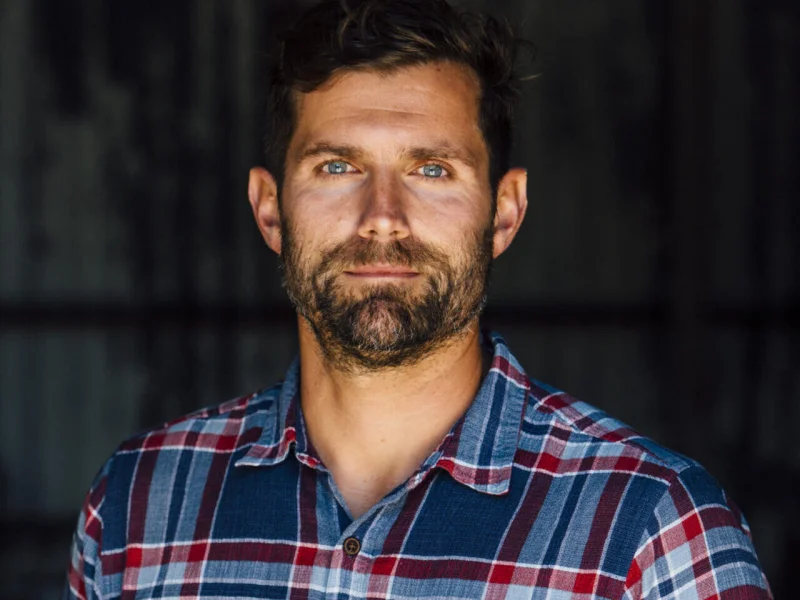
Landseed has launched a model that uses ground sensors and structured data feeds to measure ecological outcomes and turn those measurements into Earth Credits for conservation projects. The newly launched company says the credits can be sold by conservation organizations on voluntary markets, while Landseed provides the measurement and verification layer beneath the canopy.
Greg Curtis, who co-founded Landseed with Alex Roessner and Eric Dinerstein, said he spent the last four years at Holdfast Collective and came away convinced that conservation partners face a hard path to funding. He said that seeing how difficult it was for conservation partners to raise money creates a lot of risk for them, and that Landseed is meant to make the full value of nature visible, verifiable and financially useful.
That is why the company is pitching itself less as a data company than as the plumbing for a new financial market around conservation. Holdfast Collective owns 98% of Patagonia, and Curtis said the experience of working around conservation finance shaped the idea that project operators need a self-perpetuating revenue stream instead of relying only on grants and donations. Landseed’s first layer is the Earth Pulse Node, which uses sensor hardware and a structured data feed to gather information below the canopy, then turns that output into Earth Credits as a second layer.
The sensors record every 10 minutes and are designed to pick up the presence or lack of wildlife species, moisture levels, relative humidity, water temperature, weather condition, soil moisture, fresh water quality and soil carbon. Curtis said the system is meant to go beyond the kind of top-down view available from satellite data alone. The company also plans to add acoustic measurement alongside its visual technology, widening the set of ecological signals it can track.
Landseed says the conservation organization owns the credits, not the company, even though Landseed is building the measurement and verification system that makes them marketable. That separation matters because it is the verification step that gives the credits their value in voluntary markets, where buyers could include companies and possibly municipalities looking to protect natural resources, along with foundations and private philanthropy organizations. Curtis said the credits are more holistic than just looking at carbon emissions, and said chief investment officers at some foundations could place part of their endowments into this kind of asset class or other nature-based financial asset purchases.
Landseed has not yet said when the system will begin operating at scale or which conservation projects will be first to use it. Curtis said the company can build more features now at a more favorable cost point because technology has changed quickly, but the harder question is whether the new market can move from a launch model to a working source of revenue for project operators. For now, the company is betting that if conservation outcomes can be measured clearly enough, they can also be financed more like an asset and less like a plea.
