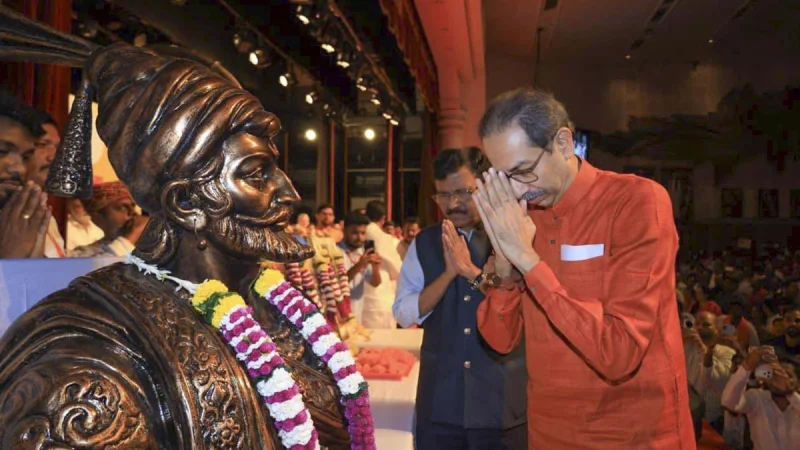
Uddhav Thackeray said on Friday he would step down as Shiv Sena UBT chief if party workers no longer believed he was fit to lead, after six of the party's nine Lok Sabha MPs rebelled and skipped a parliamentary meeting he had called a day earlier.
The shift put the rebel within the party's parliamentary wing at the center of its open leadership crisis. Thackeray said he was ready to hand over the reins to any worker if members decided he was no longer righteous for the post, adding: "I will not give up. But the day you feel I am not righteous for this position, I will leave." He also turned the breakaway into a public apology, saying, "Today I apologise to voters because they voted for us but our MPs left."

The rebellion matters because six of nine MPs is not a minor protest. It is most of the party's Lok Sabha strength, and it gave the challenge to Thackeray's authority a scale that no internal disagreement can hide. The missing MPs are alleged to be preparing to join Eknath Shinde-led Shiv Sena, though that move has not been confirmed.
That uncertainty runs through the fight. Shinde used a Shiv Sena Foundation Day event to accuse Thackeray of abandoning Balasaheb Thackeray's ideology by aligning with the Congress and the NCP, then raised the stakes with a line meant to suggest more defections ahead: "This is just a trailer, the picture is still left. Wait and watch what happens next." Thackeray pushed back by defending Shiv Sena UBT's alliance with Congress and rejecting merger speculation, saying, "If for 30 years we were with the BJP and did not merge with the BJP, how will we merge with Congress?"
For now, the answer to the immediate question is simple: Thackeray has not quit, but he has tied his post to the verdict of his own workers. The larger question is whether the six rebel MPs stay inside Shiv Sena UBT long enough for that verdict to matter, or whether the split hardens into a formal shift to Shinde's camp.