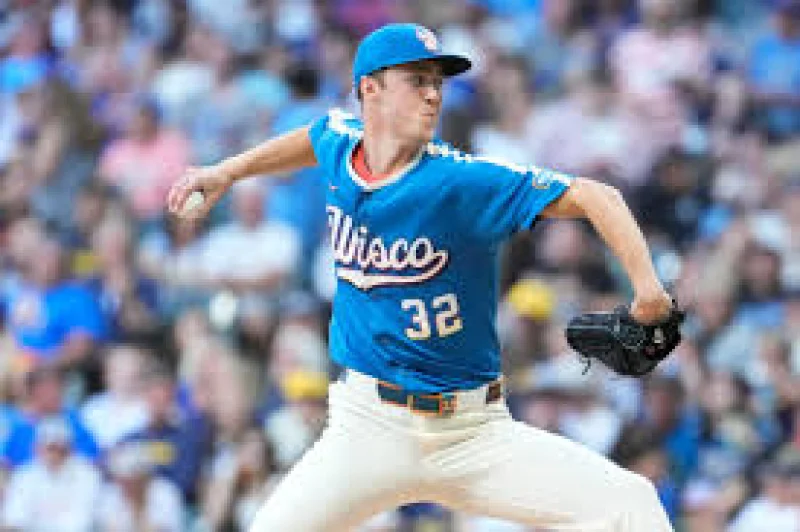
has revisited the 2016 MLB Draft by re-selecting the first 30 picks, and the exercise underlined how far the original first round drifted from expectations. Mickey Moniak and Nick Senzel went 1-2 that year, yet neither made a big impact on the franchises that drafted them.
That makes the search interest around Pete Alonso and other draft classes easy to understand today: fans keep circling back to the gap between draft slot and actual big-league value. In this re-draft, the lesson is blunt. Being first on the board in June did not mean being first in impact a few seasons later.
Moniak is the clearest example of that split. The Phillies took him with the top pick, then used their next two selections on Kevin Gowdy and Cole Stobbe with over-slot deals, while later finding JoJo Romero and Cole Irvin with their fourth- and fifth-rounders. Moniak played sparingly for the Phillies, did not become the kind of anchor a top pick is supposed to be, and only later reached the 100-plus game plateau with the Angels at age 26. Now with the Rockies, he was on pace for his best MLB season, posting a.942 OPS in 43 games.
Senzel’s path looked different, but the outcome was similar. He reached 500 PA in 2017 and never got back to that mark in any single year after that. The Reds kept moving him around the diamond until they outrighted him in November 2023, and he was with the Dodgers this spring before being released in May. The numbers tell the same story as the roster moves: the production never stabilized long enough for the original draft slot to matter.
The larger point of the re-draft is not that every early pick failed, but that the 2016 first round contained far more misses than a top line on draft night could suggest. Colorado was the only team in the top 10 that should have taken a shot at Pint, who had been up to 100 mph as a high schooler before retiring, coming back, fighting his way to the majors, getting hurt and retiring again. Ray, once No. 1 on the draft board, played one game in the majors, though he had the athletic tools and makeup that once made him look like a safer bet.
What lingers is the same question any retrospective draft exercise leaves behind: how many of the names taken near the top were really about certainty, and how many were only about hope? The answer in 2016 looks harsher with time, and the re-selected top 30 makes that plain without needing to say it twice.