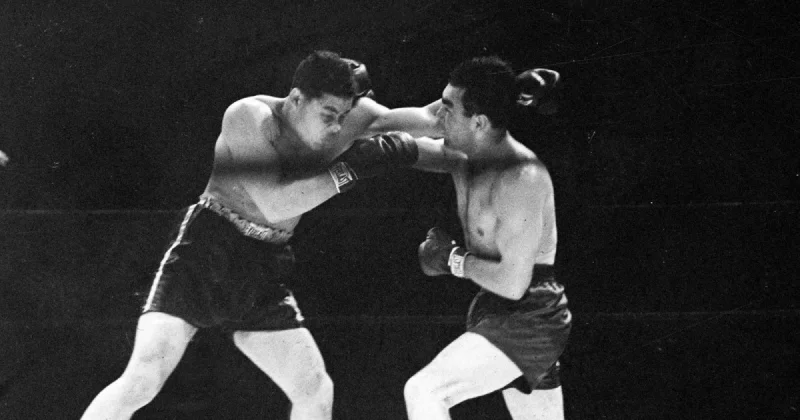
A History Channel documentary is putting Joe Louis back at the center of World War II history, recasting his two fights with Max Schmeling as more than boxing matches. In the film, Louis emerges as the Brown Bomber whose knockouts carried political weight far beyond Yankee Stadium.
The timing matters because the documentary, The Clash of Nations, arrives on the heels of a White House UFC event and invites a new look at how combat sports can be folded into national messaging. Louis and Schmeling fought twice at Yankee Stadium; Schmeling won the first bout by knockout, and Adolf Hitler later ordered German theaters to show the footage after the victory.
For many Americans, especially Black Americans, Louis was the opposite image. Franklin D. Roosevelt backed him, and he came to be seen as an avatar for democracy and a symbol of American dominance over Nazism. When Louis knocked out Schmeling in the second fight, Nazi officials cut the radio feed immediately after Schmeling was counted out.

That was the power the documentary leans on. The fights were celebrated as anti-fascist moments, but Louis’s story did not end at the ropes. In 1942, he joined the Army in a noncombat role and was deployed as a means to boost recruitment during World War II, turning his fame into a wartime tool as much as a patriotic gesture.
Joe Louis Barrow Jr., who appears in the film, says his father carried the burden of what the fights meant for Black Americans living under pressure at home. He says the country did not treat Black people as it should, and that Louis’s appeal came from the fact that everyone wanted a hero to defeat the Germans. He adds that his father loved the United States deeply even when many Black Americans could not live the freedoms it promised, and that Louis wanted to show America that a Black man could love his country as much as a white man could.
Years later, Joe Louis and Max Schmeling developed a personal bond, a reminder that history’s most political fights can end in private respect. The documentary leaves one question hanging over that legacy: whether Louis is remembered more honestly as a symbol of victory, or as a Black American athlete whose image was used by a country that still denied equality to many of its own citizens.