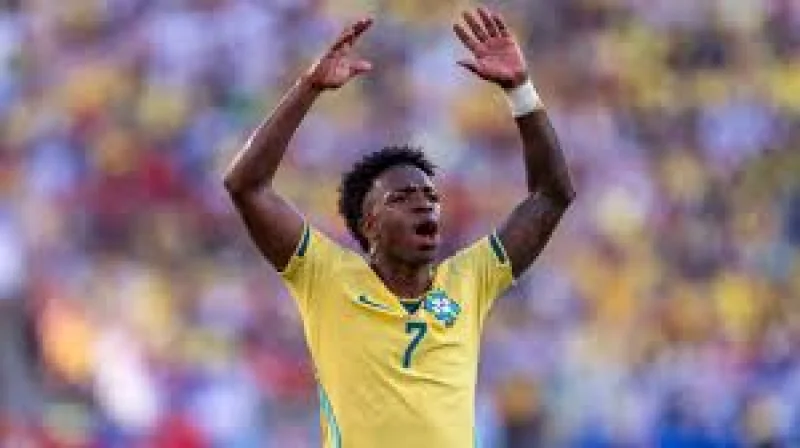
The 2026 World Cup bracket has changed the math. The top eight of 12 third-place teams will move into the knockout rounds, turning a standing that used to be a dead end into a live path after the group stage.
That is why the bracket is being searched now. All 48 teams had already played one game, and the first results had already started to sort the field into teams that can keep pace and teams that may need help. Under the old setup, only the top two teams in each group went through. Now a side can still survive without finishing first or second, and that makes the third-place table part of the story from the opening round onward.
The rough rule is simple enough to follow. Three points and a goal differential close to zero or better is a reasonable mental cutoff for a third-place berth. But it is only a guide, not a guarantee. A team can still finish fourth with three points and go out anyway, no matter how the goal differential looks. That is the sharp edge of the new format: a group-stage record that once felt safe may still leave a team outside the Round of 32.
Teams that do finish third still have to protect themselves against heavy defeats, because lopsided losses can drag down the numbers that decide who rises and who stays home. The official standings table can also mislead in the moment. A team sitting third on one day is not necessarily one of the eight best third-place teams on the final list, and that is why the forecast chart matters more than the live table while the group stage is still unfolding.
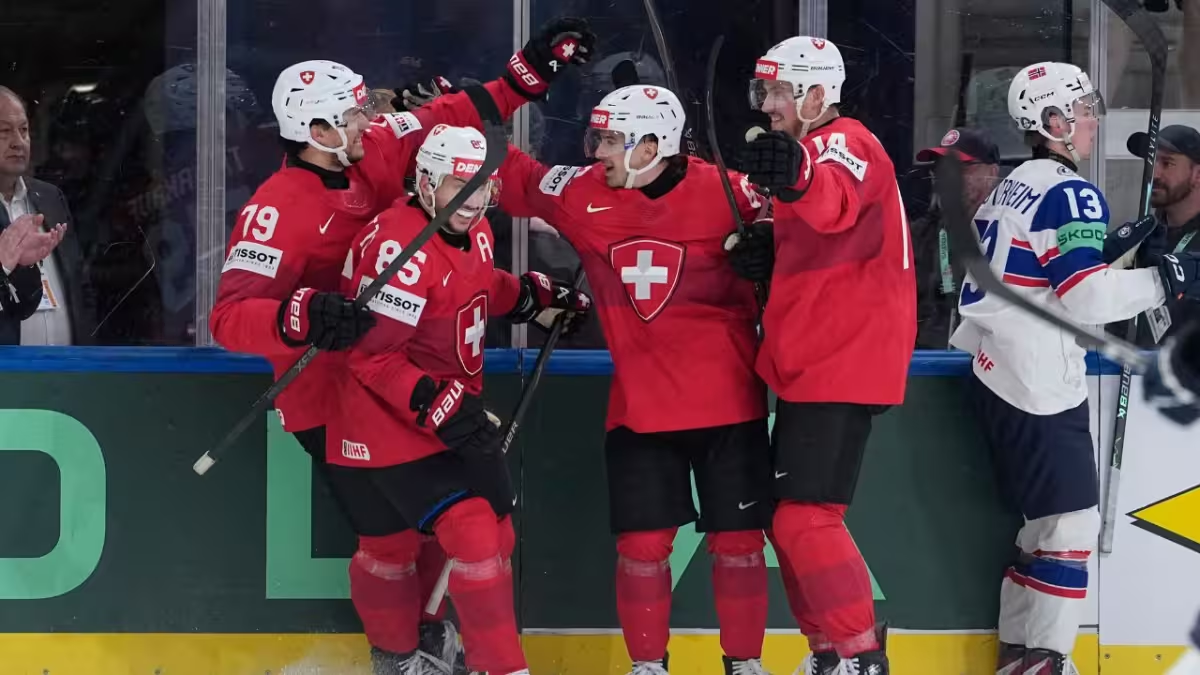
The wait can be longest for teams in Groups A, B and C. They may have to sit for several days while the other groups finish before they know whether third place is enough. That delay is built into the format, and it means the early leaders in one group can still be watching the rest of the tournament for their own fate. The only clean answer will come from the full set of final third-place standings, not from a single result in isolation.
Group F already showed how quickly the picture can shift. Japan and Netherlands drew 2-2, and Sweden beat Tunisia 5-1, results that immediately fed the third-place calculation. Cape Verde's path to the Round of 32 was described as a real possibility after a surprising draw against Spain, another sign that the new bracket rewards teams that stay in range even when they do not win outright.
That leaves the tournament with a simple but unforgiving test. Teams that can stay close, avoid big losses and collect enough points may still move on; teams that fade late may be done even with three points. The bracket now gives the group stage a second life, and the final list of eight third-place survivors will decide which teams get it.