


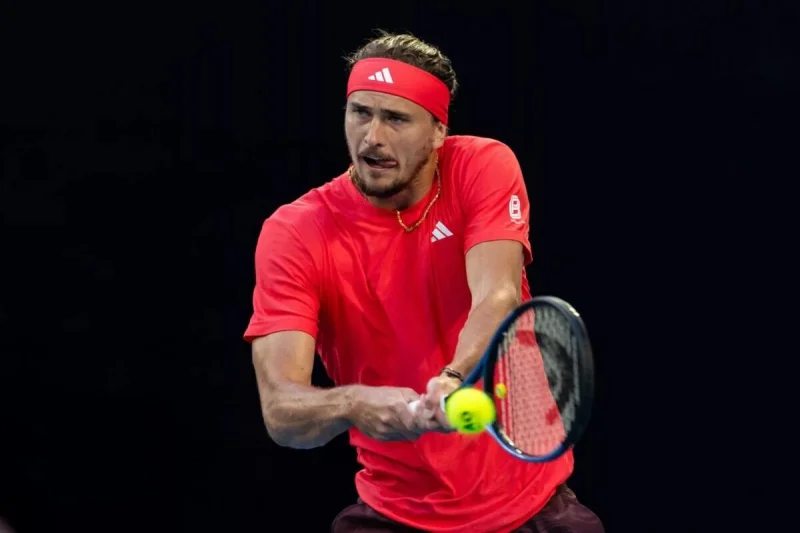
Raphael Collignon kept his Halle surge alive by qualifying for the main draw and then beating Alexei Popyrin in straight sets in the opening round. He did it without having to survive a long night on serve, offering and saving only one breakpoint across the match.
That matters now because Halle is already tilting toward the players who can hold cleanly and ride momentum on grass, and Collignon has been doing both. He has won four of his last five matches, and this week he came through two qualifying matches in straight sets before carrying that form into the main draw.
The scale of the run is sharper when placed against where he was a year ago. Last season, Collignon played only at Wimbledon. This year he has already turned a qualifying pass into a main-draw win at one of the key stops on the ATP grass-court swing, which is exactly the kind of jump that can change how a draw looks in a hurry.
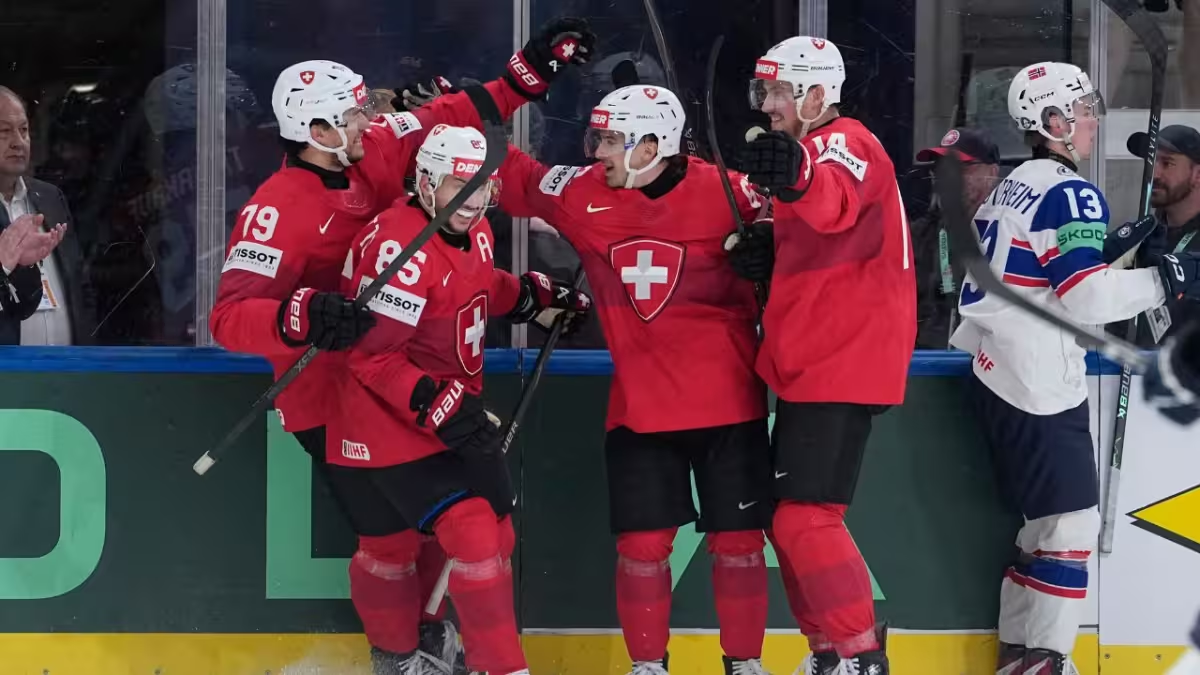
Mattia Bellucci has made the same kind of move through the tournament, which is why the market had already started to frame the two as close to even. Bellucci also qualified, then beat Alex Bolt in three tight sets after dropping the opening set, before beating Alexander Bublik in straight sets. The bookies saw Bellucci against Collignon as a 50-50 match, though the edge looked to sit with Bellucci rather than the numbers alone.
That is the friction in Halle: the same surface that rewards a clean first serve can also turn small margins into sudden reversals. Alexander Zverev, fresh off his maiden Grand Slam title at the French Open two weeks ago, has now won seven straight matches, but he still had to work through Kopriva in three tight sets. Yannick Hanfmann, meanwhile, has lost three of his last five matches even after beating Fonseca in straight sets without facing a breakpoint, a reminder that grass form can change fast and that one clean week does not settle much.
For Collignon, the next test is the one that will tell the real story. He has already shown he can win through qualifying and carry it forward under grass-court pressure; now the question is whether that level holds when the draw tightens and the margin for error shrinks again.
