


The first set of matches at the 2026 World Cup is complete, and the opening week has already changed the feel of the tournament. All 48 teams have now played across three countries in seven days, and the first signal from the expanded format is not caution but surprise.
There were 75 goals in that stretch, spread across a record 104-match World Cup that is now under way in full. That matters because the group stage for the 2026 FIFA World Cup is built to send 32 of the 48 sides through to the next phase, so every early point has more room to matter than in the old format.
For the people searching now, the draw is simple enough. This is the first time the tournament has been staged on this scale, and the opening week has offered a live test of whether the bigger field would blunt the competition. Instead, Brazil, Uruguay and Switzerland were all held to draws by so-called lesser nations, while Spain were stopped by Cape Verde, a side that became only the third-smallest nation ever to qualify for the World Cup.
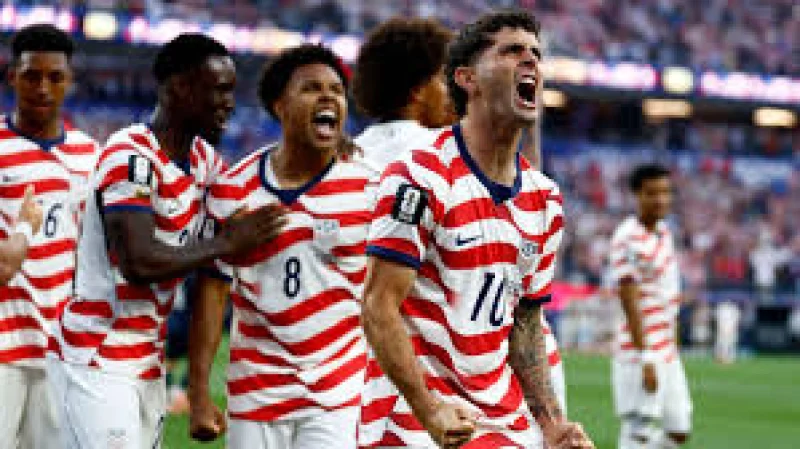
Other results pushed the same point. Curacao scored against Germany. Jordan pushed Austria for long periods. DR Congo held Portugal. Australia won. South Korea won. Japan held the Netherlands. Qatar and Saudi Arabia both came away with creditable draws. Canada earned its first-ever point. Mexico opened the tournament with victory over South Africa, and the USA beat Paraguay 4-1.
That is the friction in the story. The expanded World Cup was expected by some to produce one-sided games, yet the early evidence points the other way, with debutants and lower-ranked sides making life hard for established powers. Emma Hayes, the United States women's manager, summed up the mood when she said the talk around expansion had been turned on its head because it was bringing out the best in teams.
Thousands of fans flocked to Argentina's Group J opener against Algeria just to catch a glimpse of Lionel Messi, a reminder that the tournament is still driven as much by its biggest names as by its biggest shocks. For now, the group stage for the 2026 FIFA World Cup has delivered what matters most to organisers and viewers alike: uncertainty, goals and games that have not yet settled into script. The next question is how many of these opening-week results will shape the 32 places still on offer as the group stage continues.
