


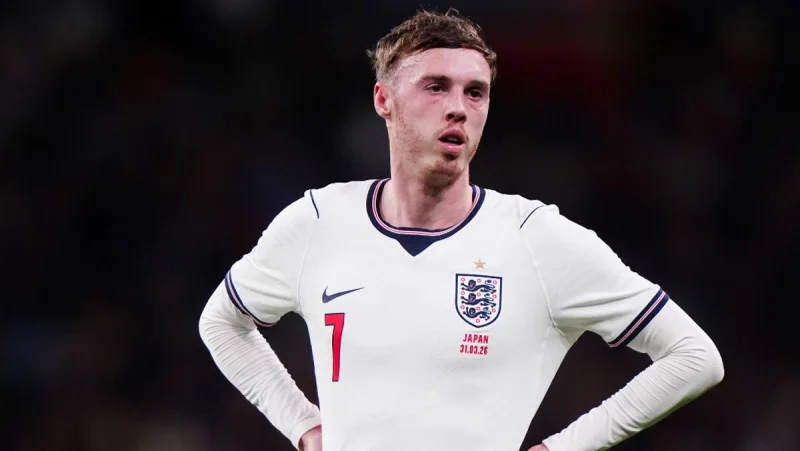
Coca-Cola signed Cole Palmer as a football brand ambassador on April 22, but the plan to front World Cup-linked activations took a hit in late May when he was left out of Thomas Tuchel’s 26-man England squad for the tournament in the United States, Canada and Mexico. For a company that had tied him to both Coca-Cola and Powerade campaigns, the omission created an immediate hole in a marketing push built for the biggest stage in football.
That mattered on Wednesday, when England were preparing to play Croatia near Dallas in their opening game while Palmer was photographed next to Wayne Lineker at O Beach in Ibiza. The timing sharpened the contrast: the player Coca-Cola had just signed to help carry its tournament message was nowhere near the squad, even as the World Cup was about to begin for England.
The April 22 announcement said the deal was a multi-year partnership that would see Palmer front activations across the Premier League and FIFA World Cup 2026, with the company also planning tournament work under its long-running tie-up with FIFA. That made Palmer more than a standard endorsement. He was supposed to be one of the faces of a campaign designed to live off his presence on the field, and the World Cup was the moment when that visibility would have mattered most.
Tim Crow, who addressed the issue, called it “not ideal” and said brands do not go to the trouble of signing a new ambassador and setting up the arrangements around him without hoping he will be picked. He added that there would have been “a lot of frustration” and said the problem was “a lack of salience,” because the company had been expecting an asset to be on the field of play who now is not. In plain terms, the value of the deal depends less on the logo than on the chance to ride the player’s performances and presence during the tournament.
Steve Martin made the same point from the campaign side, saying brands planning around major events are always watching who will be in the squad and that campaigns are built months before they go live. He said most fans would have expected Palmer to be included and called it one of those awkward coincidences that he was not picked, adding that people are not naive and there is always a risk. That risk is exactly what Coca-Cola had to price in when it signed him, but the omission still leaves the company with a World Cup-facing name who will not be on the World Cup stage.
The practical question now is how much of Palmer’s sponsorship value can be shifted away from tournament visibility and into the rest of the multi-year deal. Coca-Cola can still use him around the Premier League and in other campaigns, but the immediate World Cup burst that made the signing timely has gone. For a brand that wanted him linked to England’s run, the campaign now has to work without the player it was built to sell.
