


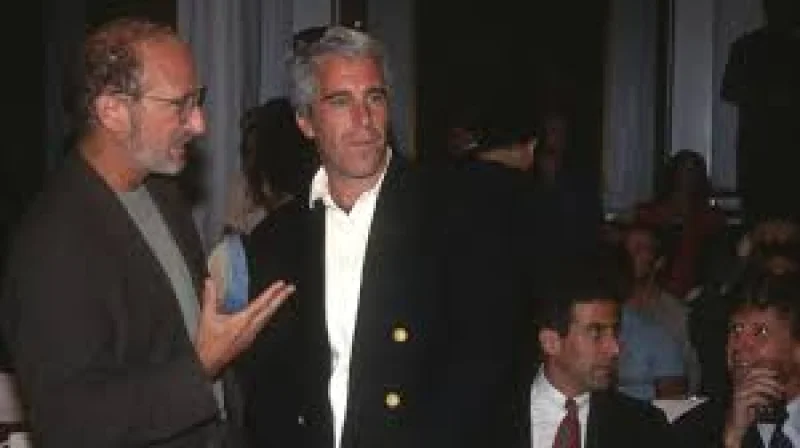
Jeffrey Epstein was arrested at Teterboro Airport in New Jersey on July 6, 2019, after returning from Paris, and the last 35 days of his life began there. By the time he was booked into federal custody and taken to the Metropolitan Correctional Center in Lower Manhattan, the case had already turned from a sex-trafficking investigation into one of the most disputed deaths in recent memory.
The reason people are searching the Epstein Files now is that Congress passed the Epstein Files Transparency Act with bipartisan support in November, and that move has already led to more disclosures. Epstein's arrest was not a surprise raid in the dark. The day before, agents got an email saying a private jet would arrive at 5:20 p.m. and an arrest warrant was attached. Late in the afternoon of July 6, about a dozen F.B.I. agents and New York Police Department officers were waiting at the airport while Customs agents boarded the plane to check the passports of Epstein and the two pilots.
Epstein had been planning a trip to his private island in the Caribbean and a documentary interview with Stephen K. Bannon, who texted back, “you r not coming in?” Epstein replied, “All canceled.” Minutes later, an F.B.I. agent and a detective told him he was under arrest in the terminal. As agents drove him to Manhattan, he kept asking, “Is this sex trafficking?” and “Is this about underage?” He had not been blindsided by the federal interest. The F.B.I. and federal prosecutors had opened a new investigation eight months earlier, focused on victims who had not been interviewed in Epstein's decade-old sex-crimes case in Florida, and while Epstein was abroad he was indicted under seal on charges of trafficking minors for sex. If convicted, he faced up to 45 years in prison.
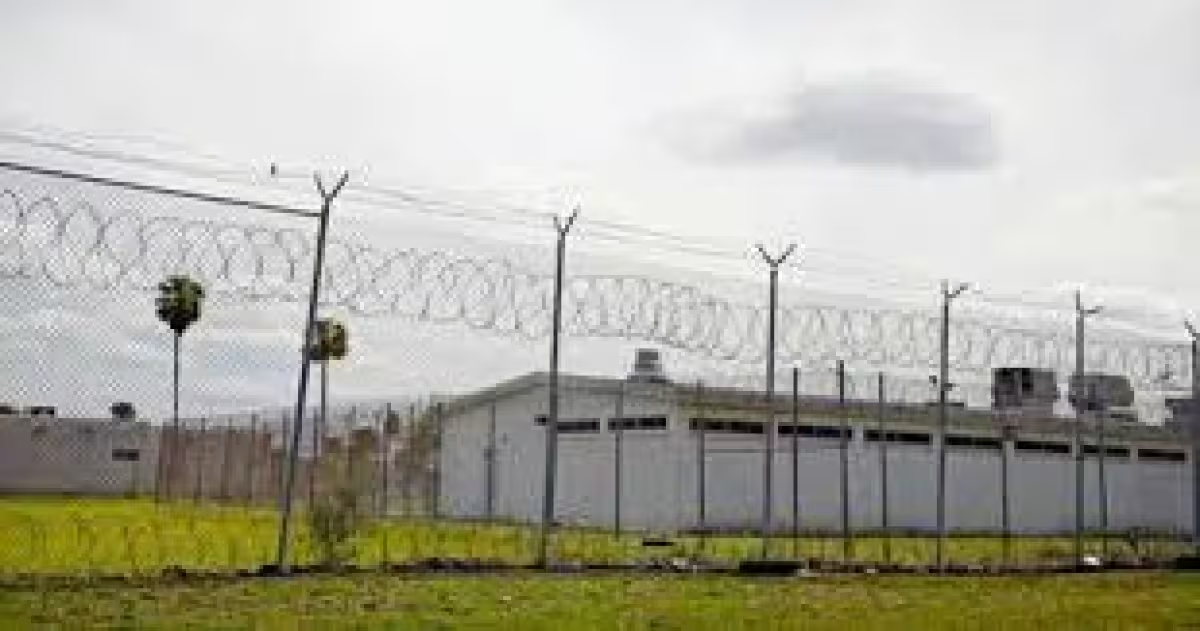
The evidence of how the case looked from inside custody is in an email from Elba Torres, a jail employee who described Epstein as “distraught, sad and a little confused” and said he seemed “dazed and withdrawn.” She asked Psychology to speak with him for possible suicidal thoughts. Epstein, reduced to Bureau of Prisons number 76318-054, said, “Oh, this is bad,” and “This is really bad,” as he was booked. A guard found him unresponsive in his cell in the early hours of Aug. 10, 2019, hanging from a noose made from orange jail fabric. The New York City medical examiner ruled his death a suicide, but many people have never accepted that conclusion and still believe he was murdered to keep him quiet.
That divide is why the Epstein Files still matter. The arrest began the final stretch; the death ended it; the new disclosures keep reopening the gap between the official finding and what people think happened inside the jail. What Congress has released so far answers part of the public record, but the larger question remains what, exactly, happened in those 35 days between the airport arrest and the cell in Lower Manhattan.
