India can wrap up the three-match ODI series against Afghanistan on Wednesday, and the second game is already being treated as more than a chance to go 2-0 up. It is also a test run for the side’s next World Cup plans, with the team management using the series to sort through combinations while the result remains live.
That is why the India Vs Afghanistan search is landing now. India lead 1-0 after the rain-curtailed opener, and Shubman Gill has made the purpose plain: “For this series, it's all about trying different combinations and seeing what really works for us.” With only two dozen ODI matches left before the 2027 World Cup, every change in the XI is being treated as part of a larger selection puzzle.
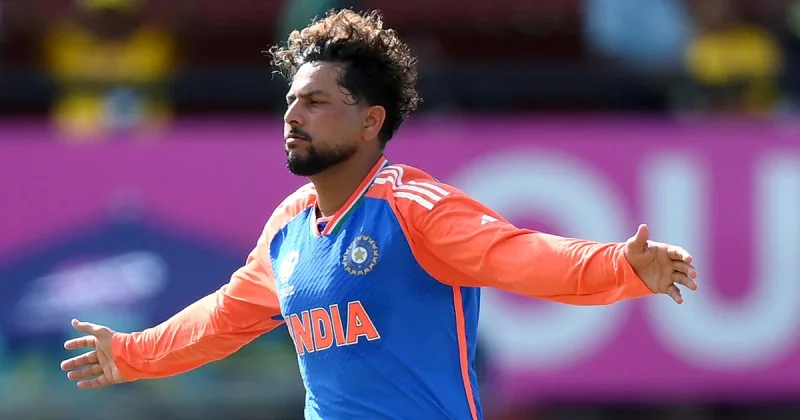
Several players are pressing for a look in the second ODI. Kuldeep Yadav and Yashasvi Jaiswal are among those waiting for a chance, while Gautam Gambhir’s preference for multi-dimensional cricketers keeps Washington Sundar in a strong position because he can contribute with both bat and ball. At the top, Ishan Kishan was chosen at No. 3 in the opener, but the position is still being treated as open rather than settled.
Morne Morkel said that the batting slot will be shared around during the series. “In terms of that number three slot, that's something that in this series we'll play around with,” he said. “Even if it's Ishan or KL or Yashasvi, it's a nice opportunity now.” That leaves India with a simple selection rule: if the management wants to test more batting depth, the No. 3 spot can move; if it wants another specialist bowling option, the balance changes again.
That is where the friction sits. Harsh Dubey made a strong debut in the opener, taking three wickets with his finger spin, and Gurnoor Brar also impressed enough to be in line for another game. But a recall for Kuldeep would tighten the bowling options and could still push Dubey out, even after a debut that did exactly what India needed. Prince Yadav is also waiting in the wings, which means the series is already forcing the selectors to choose between form, balance and the long game.
India do have a little more room to experiment because the schedule does not offer many ODI chances before the World Cup. That also explains why Virat Kohli’s absence, caused by a hamstring injury, matters beyond this series: it removes one fixed piece from a batting order that is still being adjusted. Rohit Sharma’s cheap run-out in the opener only sharpened the sense that India are still building, not simply defending a settled line-up.
The second ODI now carries two outcomes at once. India can close out the series and keep the pressure on Afghanistan, whose batters need a more collective effort, while also using the match to narrow the field for the roles that matter most. The result on Wednesday will matter, but for India the bigger answer may be which names survive the next round of selection.