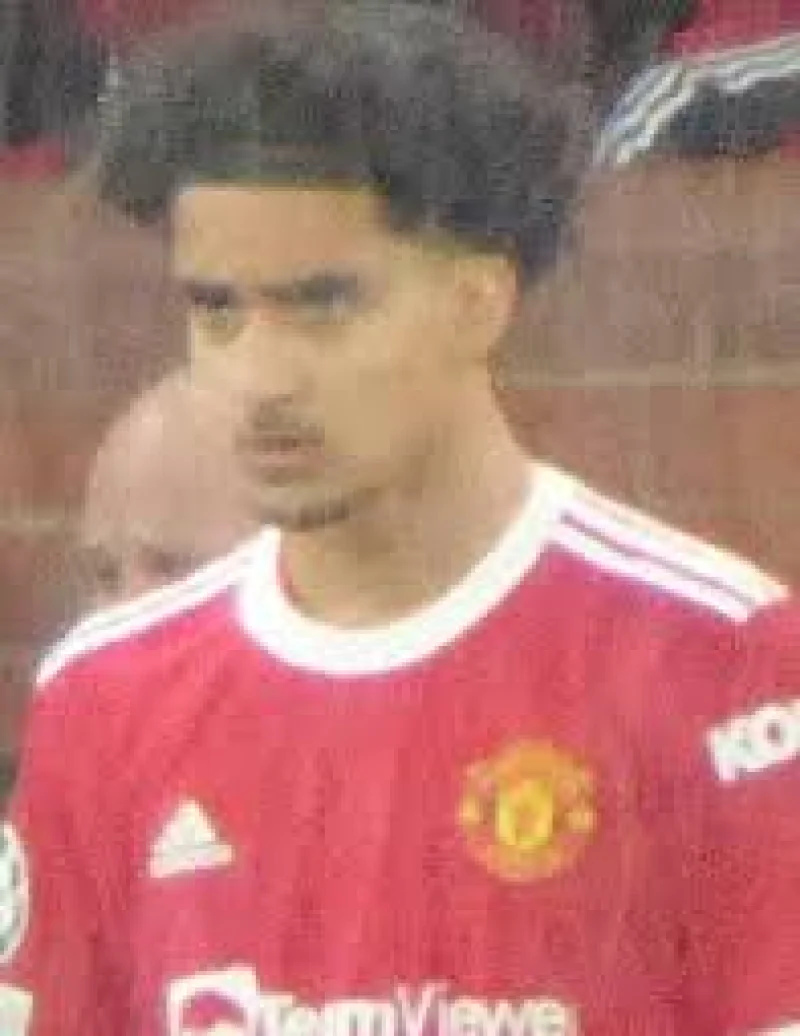
Zidane Iqbal is set to become the first player of Pakistani heritage to appear at a men's World Cup when he turns out for Iraq on Tuesday, a milestone that lands with unusual force because it comes under another flag. The 23-year-old, born in Manchester and now with FC Utrecht after coming through Manchester United's academy, said he was surprised when he learned he had made that kind of history.
Iqbal said he sent the post about the honour straight to his father after finding out. He grew up in England, is Pakistani through his father and Iraqi through his mother, and said he carries that mix with pride. He also said he wears the Iraqi flag on his left side and the Pakistani flag on his right side on his boots, a small but unmistakable sign of where he comes from and who he plays for.
It is the kind of first that carries meaning beyond one player. Pakistan, a country of 240 million people, has never reached a World Cup and sits 198th in the Fifa rankings among the 15 worst-performing nations. In that context, Iqbal's appearance for Iraq is more than a personal milestone. It gives Pakistani heritage a place on the men's World Cup stage for the first time, even if the team it comes through is not Pakistan.
That is where the story sharpens. Iqbal has been clear that he represents Iraq, not Pakistan, and he has already shown how he sees both parts of his background. He became the first British South Asian for almost 20 years to play in the Champions League, and he has said he hopes his story can inspire the next generation. His words land because they are not built around a slogan. They come from a player who was born in Manchester, raised in England and now finds himself carrying two identities into football's biggest tournament.
The next step is simple and unavoidable: on Tuesday, Iqbal is expected to take the field for Iraq at the men's World Cup. If he does, the record will not sit in a statistic sheet alone. It will belong to a player who said he was caught off guard by the honour, then sent it to the man he respects most. That is how a first travels in football — through family, through memory, and then out into the tournament itself.