


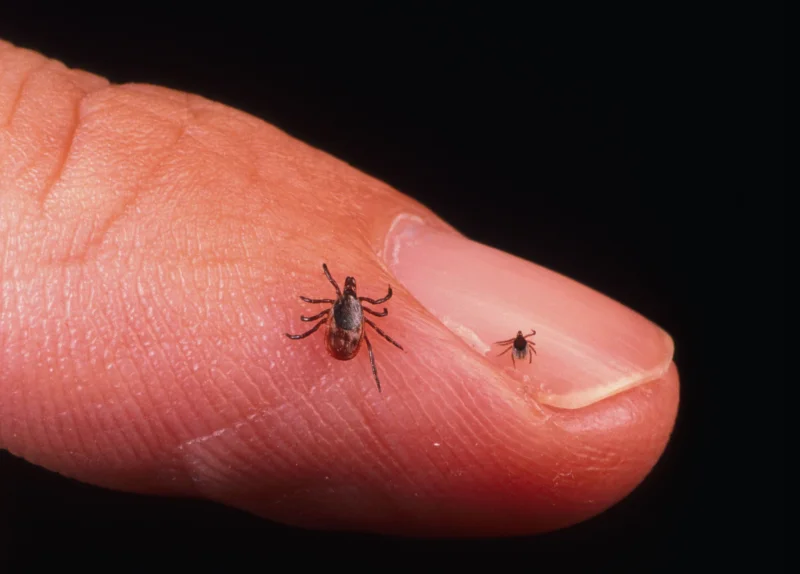
Powassan virus can be passed from a tick to a person in as little as 15 minutes, a window so short it can outrun the habit many people rely on after being outdoors: checking for ticks once they are back inside. That matters now because 2026 has already been described as one of the worst tick seasons in years, putting more people in the Northeast and Midwest within range of exposure.
The comparison with Lyme disease shows why that speed matters. Lyme disease usually requires a tick to stay attached for 36 to 48 hours before Borrelia burgdorferi can transmit, but Powassan virus can spread before a tick would typically be noticed. The virus is a tick-borne flavivirus that causes brain infection, and it belongs to the tick-borne encephalitis serocomplex. Most infections cause no symptoms or only a mild flu-like illness, which can make the danger easy to miss.

The cases remain uncommon, but the risk profile is severe. About 239 Powassan virus disease cases were reported over the past 10 years, and most years in New York State bring just 1 to 9 cases. Even so, the 5 to 10 percent of infected people who develop neurological disease can become seriously ill, with fever, severe headache, vomiting, weakness, confusion, loss of coordination, speech difficulties and seizures. Progression from early symptoms to coma can happen within hours to days.
Once the brain is involved, the consequences can be lasting. MRI of the brain can show hyperintensities in the white matter and deep brain structures, including the thalamus, basal ganglia and brainstem. About 10 percent of Powassan neuroinvasive disease cases are fatal, and approximately half of survivors are left with permanent neurological deficits. That is what makes the infection more than a seasonal nuisance: a tick bite that goes unnoticed for minutes can set off an illness that changes a life.
The harder truth is that routine tick checks do not reliably close the gap. If transmission can happen in 15 minutes, finding a tick later may be too late to prevent infection. There is no vaccine approved in the United States, so the current response is limited to awareness and caution at a moment when cases have been trending upward over the past decade and tick activity is already unusually heavy. For people spending time outdoors, the next question is not whether tick season is active, but how quickly a brief attachment can become a brain infection.
