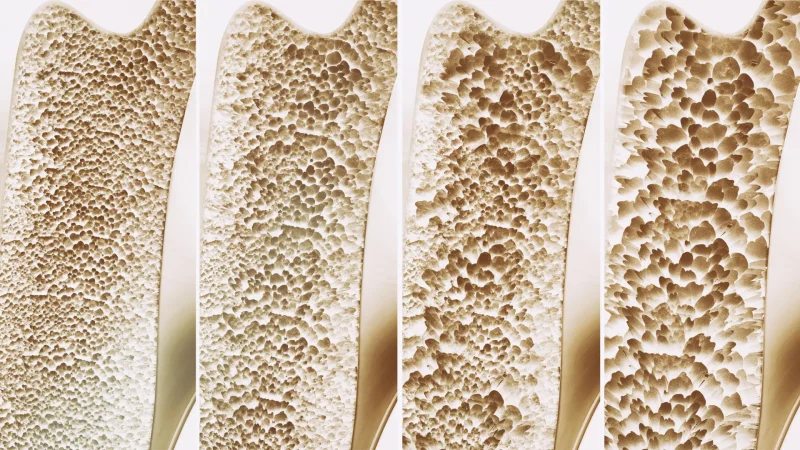
A large review published in The BMJ found that calcium supplements, vitamin D supplements, or the two taken together offer little to no clinically meaningful protection against fractures or falls for most older adults. The finding cuts against routine advice that has remained common in bone health care.
Researchers in Canada pooled 69 randomized controlled trials covering 153,902 adults and compared supplements with placebo or no treatment. The analysis found little to no reduction in overall fracture risk, no clear benefit for hip fractures, and little to no effect on falls, which matters because nearly one in three people age 65 and older will fall each year.
That scale helps explain why the result is drawing attention now. Previous reviews had already raised doubts about the value of calcium and vitamin D supplements, but the new analysis brings together a much larger body of evidence and reaches the same basic conclusion: for most older adults, routine supplementation is not doing the job it is often asked to do.
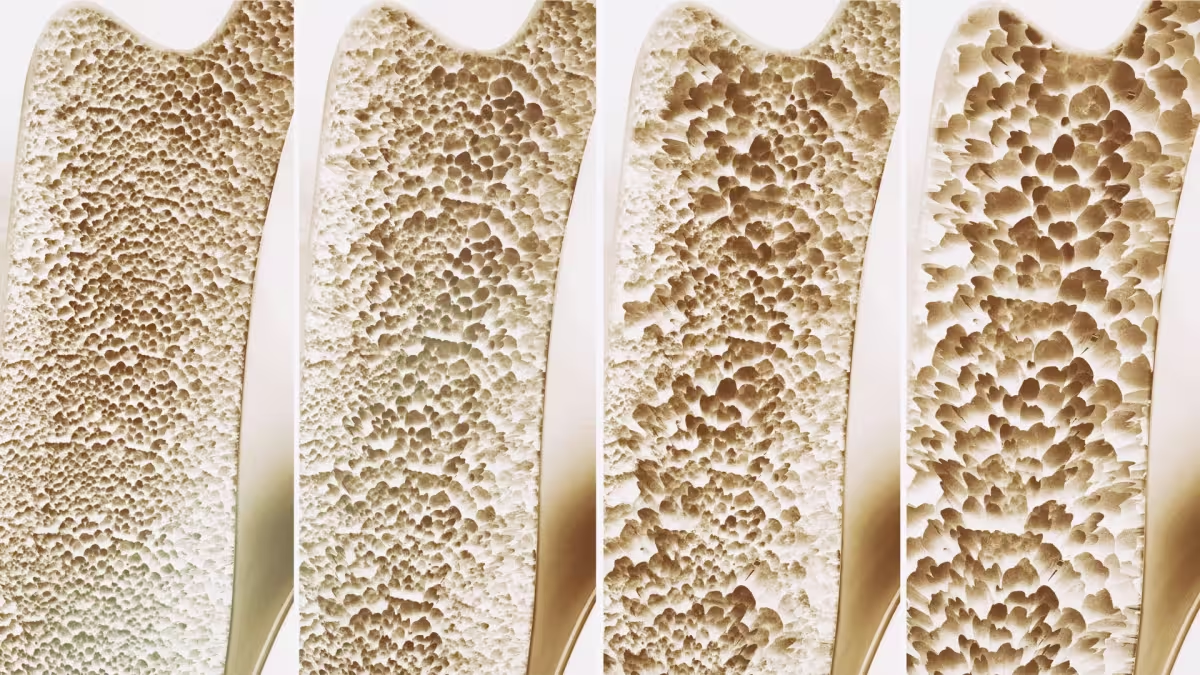
The public health case for the pills has always been straightforward. Falls are a major concern among seniors, and many of them lead to fractures, pain, loss of independence, lower quality of life, and sometimes long term residential care. Even so, vitamin D supplements with or without calcium continue to be widely recommended by healthcare providers, professional guidelines, and regulatory agencies for bone health, and prescriptions for these supplements have risen considerably in recent years.
That is where the friction now sits. The researchers said their findings do not support routine calcium or vitamin D supplementation, either alone or together, to prevent fractures and falls. At the same time, they cautioned that the results may not apply to people with certain bone disorders or to those receiving medication for osteoporosis, leaving a narrower group where the answer may differ from the one most older adults will hear.
The practical next step is clear even if no official change has been announced: clinicians, guideline panels, and regulatory agencies will have to decide whether broad supplement advice still makes sense in light of this evidence. For most older adults, the review argues the benefit is too small to justify routine use as a fracture or fall-prevention strategy.