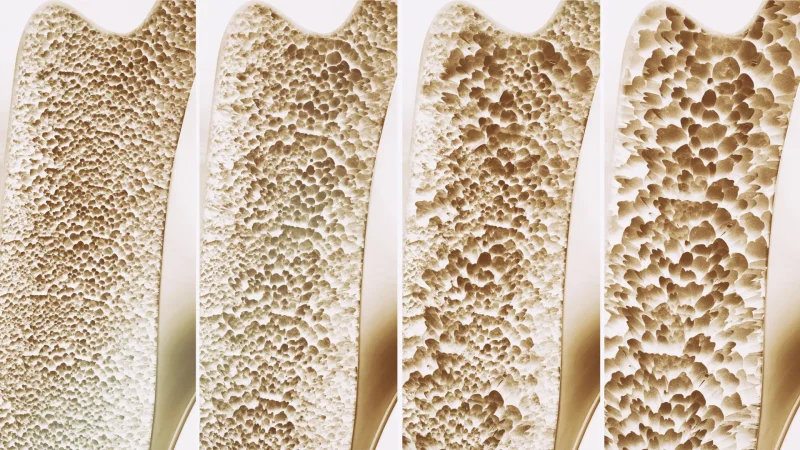
A comprehensive review published in The BMJ found that calcium supplements, vitamin D supplements, or taking both together offer little to no clinically meaningful benefit for preventing fractures or falls in most older adults. The finding cuts against routine use of these supplements for bone health, even as they remain widely recommended.
Researchers in Canada pooled evidence from 69 randomized controlled trials involving 153,902 adults and compared calcium, vitamin D, or both against placebo or no treatment. That scale matters because the question is not whether supplements can affect bone health in theory, but whether they measurably change outcomes in the people most often told to take them now.
The review found little to no reduction in overall fracture risk from calcium supplements in 11 trials involving 9,067 participants. Vitamin D supplements showed little to no reduction in overall fracture risk in 36 trials involving 92,045 participants. Combined supplementation also showed little to no reduction in overall fracture risk in 15 trials involving 51,126 participants. The authors also found little to no benefit for preventing specific fractures, including hip fractures, or for reducing falls.
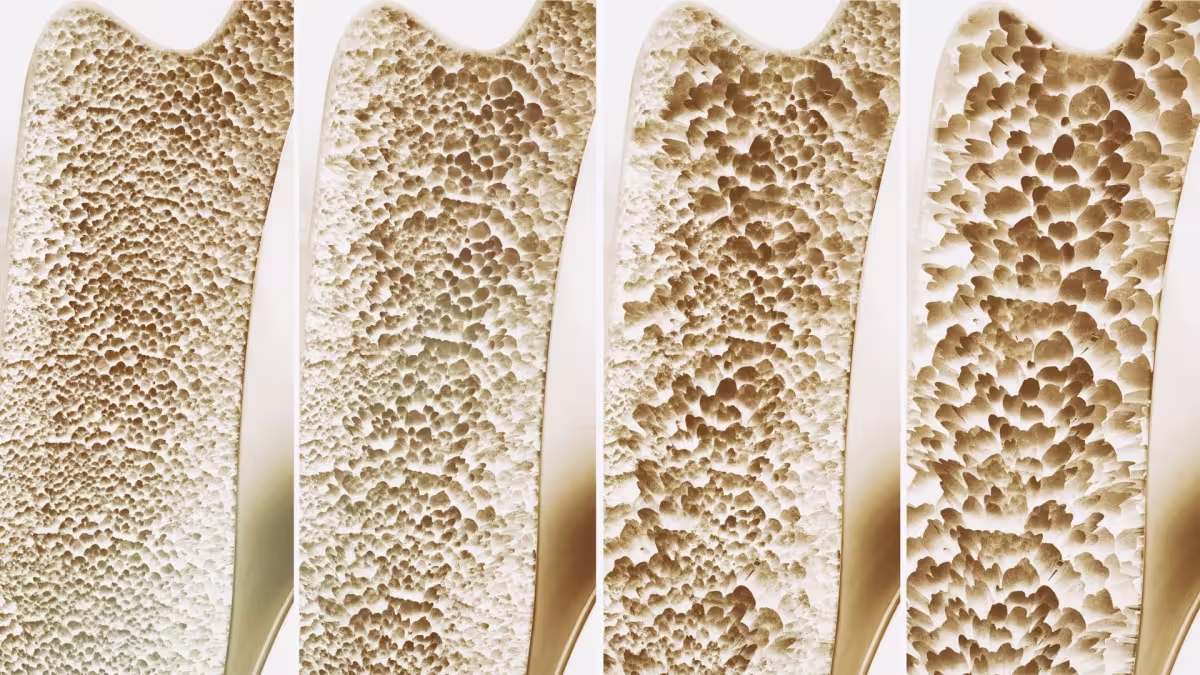
That matters because falls are a major health concern among seniors, and nearly one in three people age 65 and older experiences a fall each year. These incidents often lead to fractures, which is why vitamin D supplements, with or without calcium, continue to be widely recommended by healthcare providers, professional guidelines, and regulatory agencies for bone health. Prescriptions for these supplements have risen considerably in recent years.
The friction in the evidence is straightforward: common use has not been matched by meaningful benefit. The authors concluded that the findings do not support routine supplementation with calcium or vitamin D, or combined supplementation, to prevent fractures and falls. They also said clinicians, guideline panels, and regulatory agencies should re-evaluate their general recommendations in light of current evidence.
The results are not a blanket verdict for everyone. They do not settle whether people with certain bone disorders, or those receiving medication for osteoporosis, may need different advice. For most older adults, though, the practical message is already clear: calcium and vitamin D should no longer be treated as automatic protection against fractures or falls.