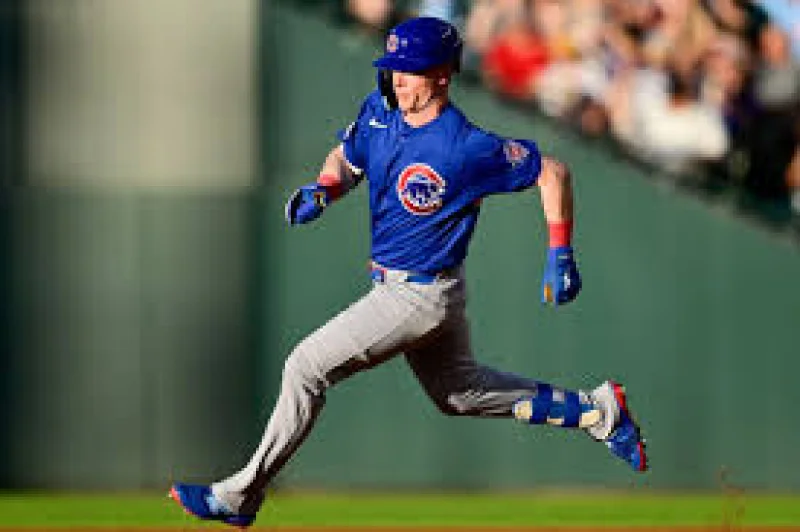
Pete Crow-Armstrong turned a June 6 Cubs game into his own stage, hitting two home runs and driving the Chicago Cubs into a 3-2 walk-off victory over the San Francisco Giants. The second one came with two outs in the bottom of the ninth and helped force the kind of finish that turns one night into a snapshot of a season.
The performance landed with extra force because the Cubs had already slid from a 3 1/2-game lead in the National League Central to a 6 1/2-game deficit behind the Milwaukee Brewers by that same date. Crow-Armstrong, 24 years old, was already carrying elite numbers into Sunday: 12 home runs, 16 stolen bases and a 3.9 WAR from Baseball Reference, along with league-leading defensive value that made him one of the most valuable players in the sport even before this game.
That is what makes him such a difficult player to separate from the Cubs' season. His offense had still been stuck in the.670s after Memorial Day, and he had already worked through a run of public scrutiny that included boos at Dodger Stadium in April after comments in a Chicago magazine cover story and a viral profane exchange with a Chicago White Sox fan on the South Side. He has also been making mistakes in center field, which is part of why the story around him is not just production, but growth.
Crow-Armstrong did not try to turn that into something larger than it was. “I’m growing up in the middle of all of it,” he said, and he added that he is “absolutely getting better for all the downs, and the ups as well.” Craig Counsell, trying to keep the message grounded, told him the Cubs had to get the job done and win games, but also not forget that they get to do this. Ian Happ put the development plainly: “He’s still learning his approach.”
The contradiction is what gives the Cubs game its weight. Crow-Armstrong left spring training to play for Team USA, then watched Team USA lose to Venezuela in the World Baseball Classic championship game, signed a six-year, $115 million extension before Opening Day and still has to answer for the same uneven stretches that come with a young player learning in public. Entering Sunday, he ranked first in the majors in Fielding Run Value with 15, was tied for first in Defensive Runs Saved with 15 and was second in Outs Above Average with 13, a profile that says the glove is already there even while the bat keeps changing shape.
For the Cubs, the next question is not whether Crow-Armstrong can light up one night. He already has. It is whether a player who is producing at that level can keep carrying the burden of a volatile season long enough to drag Chicago back into the race, and whether the answer arrives in the regular season or later, when the margin for growth gets much smaller.