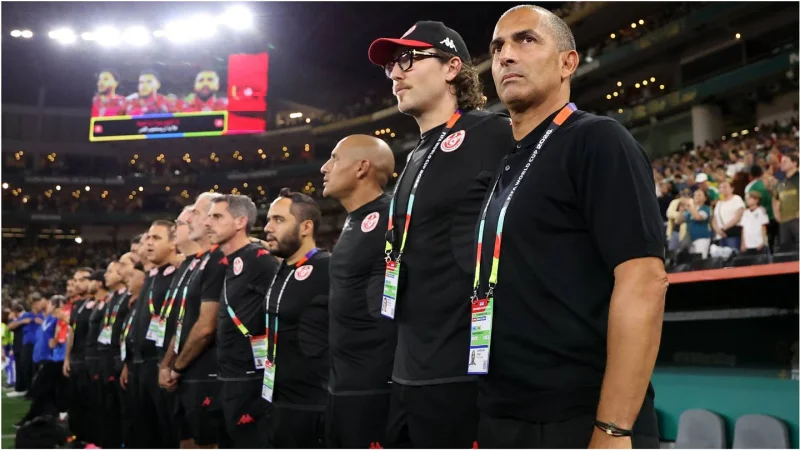
Tunisia is reported to have parted ways with Sabri Lamouchi after a 5-1 defeat to Sweden at the 2026 World Cup, ending his spell in charge after just one of five games went his way. The decision came after a night that left Tunisia looking far worse than the FIFA rankings suggested, even though it sat only seven places behind Sweden.
Lamouchi had taken charge in January and arrived with a warning that the World Cup leaves little room for error: “The World Cup is a major competition that does not forgive any team making serious mistakes.” That line read differently after Sweden ran in five goals, with Yasin Ayari scoring twice and Alexander Isak, Viktor Gyökeres and Mattias Svanberg also on target. For readers searching WCGames today, the result is the answer to a sharper question: what happened to Tunisia’s manager after the collapse?
Local reports in Tunisia said a handful of physical altercations broke out in the Tunisian camp after the final whistle, then team officials held an emergency meeting. Romain Molina first revealed that the decision from that meeting was to dismiss Lamouchi. The detail matters because it shows the break was not a slow drift toward change but a rapid response to a result that became impossible to absorb once the final whistle sounded.
There is also a familiar history behind the move. Managers are rarely sacked during World Cup tournaments, yet Tunisia has done it before. Henryk Kasperczak was dismissed after two defeats at the 1998 World Cup, when Tunisia lost 2-0 to England and 1-0 to Colombia before the change came before the third game. Cha Bum-kun lost his job after one game that tournament, after a 5-0 defeat to the Netherlands. The pattern is stark: when the damage is judged severe enough, Tunisia has shown it will cut quickly.
What remains unresolved is whether Tunisia has officially confirmed Lamouchi’s dismissal or named a replacement. But the football logic is plain enough: a heavy World Cup loss, a manager with one win in five, and an emergency meeting ending in a reported sacking rarely point toward hesitation.