


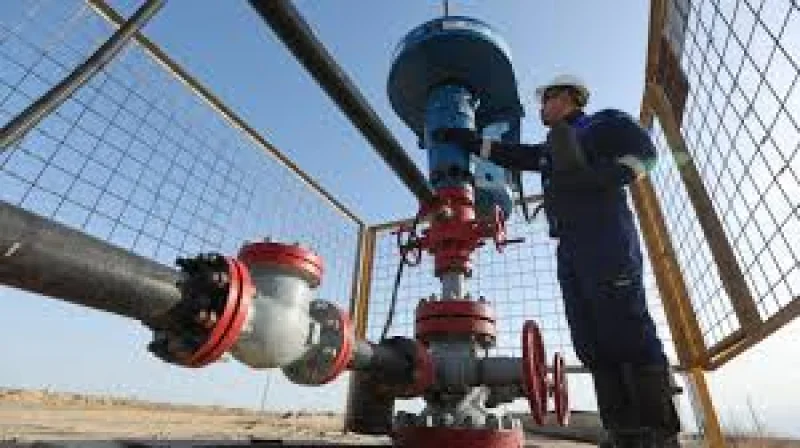
Oil futures sank to two-month lows on Friday after Donald Trump said he was cancelling more airstrikes on Iran and suggested a deal with the US could be signed soon. US West Texas Intermediate crude futures fell 1.9% to $86.08 a barrel, while Brent dropped 1.5% to $89.08 a barrel as traders pushed the market lower on hopes that the Hormuz strait could reopen.
Trump said the agreement could come “soon, very soon, maybe over the weekend in Europe,” and added that the strait would open “as soon as we sign” the documents of the “great settlement.” He also said the agreement’s “final points” had been approved by all parties involved, a line that fed the selloff in oil futures because any easing in the standoff could reduce the risk premium built into crude.
That reaction was not just about words. West Texas Intermediate had already fallen 2.6% overnight, and Brent had dropped nearly 3% before the latest move, putting both benchmarks under pressure as hopes grew that shipping through the Hormuz strait might normalize. Trump named the US, Israel, Saudi Arabia, UAE, Qatar, Turkey, Pakistan, Bahrain, Kuwait, Jordan, Egypt and others as part of the broader diplomatic picture he described, and he later said the seizure of Iran’s Kharg island would be off the table “if we sign this agreement.”
But Tehran quickly undercut the idea that a deal was done. Iran’s foreign ministry said it had not made a final decision on an agreement, even as a spokesperson said a large part of the text had been finalized and accused the US of repeatedly changing its positions during the talks. Israel also said it was “not a party to” what Benjamin Netanyahu’s office called an emerging memorandum of understanding between the US and Iran.
The market backdrop has been equally fraught. Early Friday, Iran forces prevented a tanker from transiting the Hormuz strait without coordination, and later in the day US forces shot down two Iranian one-way attack drones as Tehran appeared to try to strike commercial ships transiting the waterway. The day before, three Indian seafarers were killed in US military strikes against oil tankers traveling through the strait, and a strike wounded 10 staff at a hospital in Tyre in Lebanon.
The reported terms point to why traders seized on the remarks so quickly. The new agreement reportedly provides a timeline for demining the Hormuz strait, with the US naval blockade continuing during that period. It also discusses mechanisms for further nuclear talks and the release of frozen Iranian assets, but does not set out concrete steps for how those mechanisms would work. That leaves the market with the outline of a deal, not the deal itself, even as the price move suggests traders are already betting the route matters more than the paperwork.
The wider stakes reach beyond crude. The World Bank has already revised its global growth assessment lower amid the Iran war, and every fresh sign of de-escalation or renewed conflict in the Middle East crisis feeds directly into oil pricing. For now, the selloff says the market is trading the possibility of a reopening in the Hormuz strait faster than it is trusting either side’s version of how close the agreement really is.
