


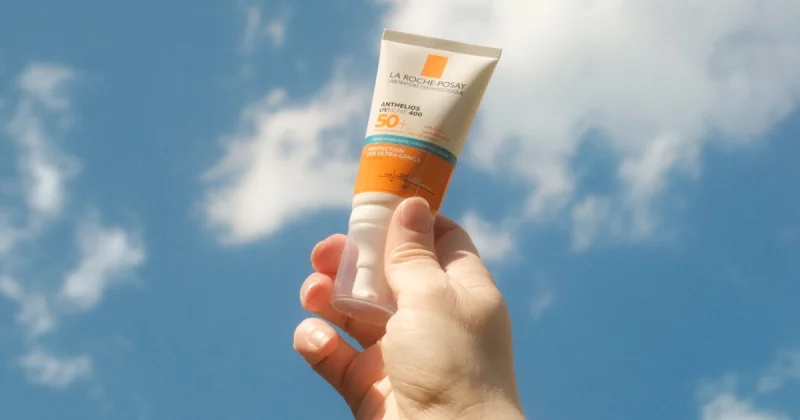
The Food and Drug Administration has added bemotrizinol to its list of permitted active ingredients in over-the-counter sunscreens, opening the door to a new option for U.S. shoppers after more than 20 years without a new entry. The move lifts the number of approved active sunscreen ingredients in the U.S. to 17.
The change matters now because sunscreen has become one of the few everyday products people rely on to block both UVA and UVB radiation, and bemotrizinol has long been part of products sold in Asia and Europe. In broad terms, sunscreens fall into two main classes of filters: inorganic ingredients such as titanium and zinc, which are mineral-based and can leave a white cast, and organic ingredients such as avobenzone, octocrylene and homosalate, which usually go on clear but can feel oily.
Bemotrizinol sits in the organic group, and like the other filters already used in the U.S., it primarily works by absorbing UV light and converting that energy into heat that is released from the skin. That matters because UVB is the higher-energy form tied to sunburns and genetic mutations that can lead to skin cancer, while UVA penetrates deeper, can break down skin structure and helps drive skin-aging changes. The U.S. system has lagged behind Europe, where there are more than 30 approved sunscreen filters, leaving American consumers with fewer choices than shoppers in other markets.
AJ Addae said the expanded sunscreen ingredient options are “a pretty big deal” and added that it is “definitely something that we haven’t had in a very long time.” Her reaction reflects how unusual the action is: the application for bemotrizinol was filed in 2005, then sat through a regulatory process that stretched on for years before the FDA’s official action came seven months after the agency initially proposed it.
That delay is part of the story, too. A new ingredient does not change the fact that U.S. sunscreen testing still centers on UVB and the SPF number that comes from it, which does not capture UVA light. Bemotrizinol’s approval broadens the ingredient list, but shoppers may still be waiting to see when products containing it actually reach store shelves.
