


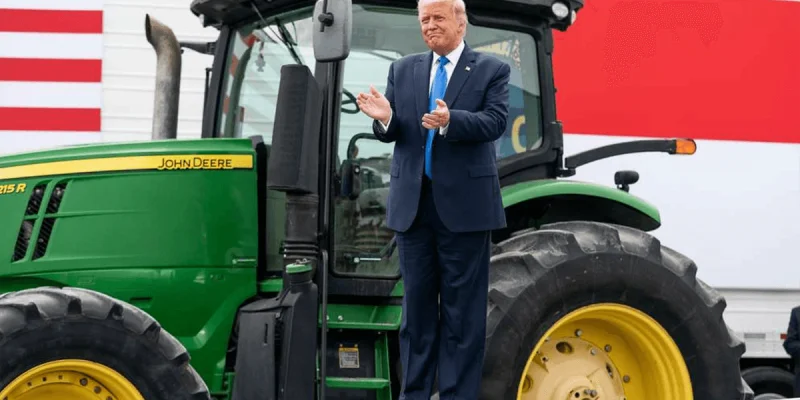
The House passed a $7.1 billion agriculture and Food and Drug Administration spending bill Thursday, moving a narrowly divided measure across the chamber by a 213-210 vote. The bill would fund rural development, food safety work and agricultural programs, while also setting money aside for inspection and land-tracking efforts that matter to farmers and ranchers.
The vote was close enough that every defection counted. Five Republicans voted against the bill, while four Democrats joined the majority. For House Agriculture Committee Chairman Tom Cole, the measure was needed to protect American farmers, and he said it delivers targeted investments to support farmers and ranchers, prioritize food and drug safety, and reinforce research and innovation.
The timing matters because the vote landed just after a spring in which rural voters once again showed how firmly they are still tied to Donald Trump. An April Economist/YouGov poll found overwhelming majorities of American farmers remained staunchly pro-Trump, even as the political and economic pressure around them has grown. The same poll found that 27 percent of rural respondents said it would be impossible to cover an unexpected $1,000 bill, a reminder of how thin the margin is for many families working the land.

The bill reaches into the parts of government farmers notice first when something goes wrong. It gives money to the FDA to keep foods, drugs and devices safe, and it provides $1.16 billion for the Animal and Plant Health Inspection Service. It also includes funding to improve the tracking system for foreign-owned land, an issue that has become more prominent in farm country as anxiety rises over who controls agricultural acreage.
That concern lands against a harder reality. Rural communities are already under strain, with the suicide rate there running 3.5 times the national average and climbing. One Illinois used-equipment house owner said that in tough years more tractors come in from families of farmers who have taken their own lives, a detail that sits far outside the language of budget tables but squarely inside the lives the bill is supposed to help.
Farmers have stayed loyal to Trump even as his tariffs, mass deportations and war against Iran are described as hurting them, raising prices and thinning the workforce they depend on. The uneasy question now is whether this $7.1 billion package will bring real relief to people who have kept backing him anyway, or whether it will amount to another federal promise that arrives after the pressure has already done its damage.
