


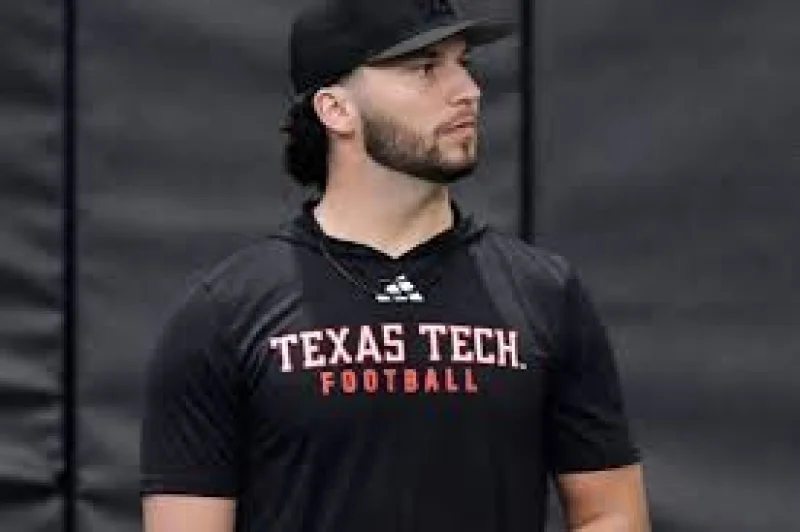
A Texas court injunction has restored the eligibility of Texas Tech quarterback Brendan Sorsby, even after he admitted he bet on his own team to win football games. The ruling put the 22-year-old back in position to play immediately, and it set off anger inside the NCAA and across college football.
That reaction is tied to what Sorsby admitted. He said he bet nearly $90,000 on college and pro sports, including at least 40 bets on Indiana while he was a quarterback for the Hoosiers. In a sport built on rules about amateur status and competitive integrity, that kind of admission usually ends the conversation. This time, a Texas court said otherwise.
The dispute lands at a moment when sports betting has become part of daily life in the United States. Since the Supreme Court struck down a federal ban in 2018, at least 38 states have permitted some form of sports gambling, and Americans now place more than $150 billion in bets annually. A Harris Poll survey earlier this year found nearly two-thirds of adults said they had gambled before turning 21, a sign that the habit often starts long before college athletes face their first compliance check.
That wider backdrop is what makes Sorsby’s case more than a single eligibility fight. Dave Ramsey has called online sports gambling “the fastest growing addiction that is destroying young men in their 20s,” and the World Health Organization uses the term “hazardous gambling” for conduct that may not yet qualify as a formal addiction diagnosis. Around 6 percent of college students have a serious gambling problem, a number that helps explain why a quarterback admitting to wagering on his own team is treated as a warning flare, not just a disciplinary matter.
The legal wrinkle is the part college football cannot ignore. The Texas attorney general warned the Big 12 about punishing Texas Tech, which leaves the conference boxed in: discipline may invite legal trouble, while inaction looks like acceptance of conduct the NCAA views as a direct threat to the sport. That is the conflict at the heart of Sorsby’s case — a court restored his eligibility, but it did not restore confidence that the rules can keep pace with online betting.
What happens next now matters as much as the injunction itself. If the Big 12 or the NCAA still tries to move against Texas Tech or Sorsby, the fight will shift from eligibility to authority, and it will test how far college sports can go in policing gambling when state courts and state officials are already pulling in the other direction.
