


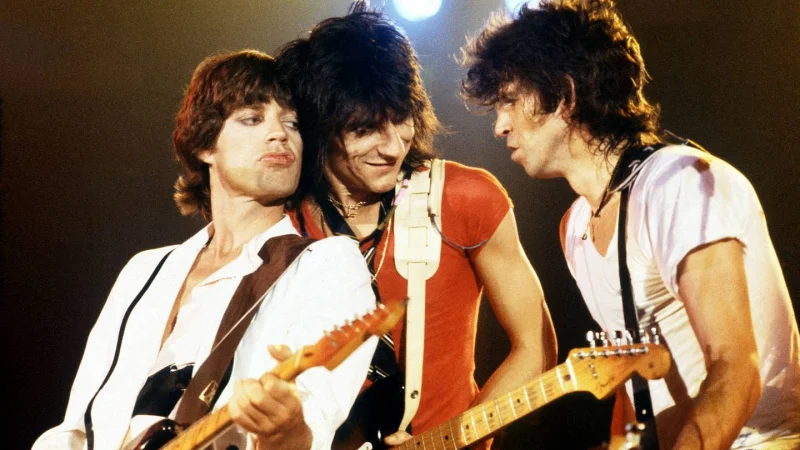
The Rolling Stones made their first public step on July 12, 1962, at The Marquee Club in London, where Mick Jagger and Keith Richards were both 18 and playing in front of about 110 people. It was the kind of debut that could have vanished into club history, but this one became the starting point for a band that would later fill far larger rooms.
Jagger was still a student at the London School of Economics, and he had known Richards from high school before they arrived on the same stage. That detail matters because the show was not built on a polished machine. It was built on two teenagers with a shared history, limited rehearsal time and a set that still had to prove itself in public.
That first performance lasted 50 minutes and moved through rhythm-and-blues songs and a Chuck Berry cover before closing with Elmore James's Happy Home. The final stretch is the part that seems to have changed the room. In a diary entry, Taylor later wrote that the last 15 minutes of their performance were electric, a judgment that suggests the band had finally locked into something beyond nerves and novelty.
But the audience did not begin there. Some listeners answered the early part of the set with disapproving catcalls, a reminder that a debut is rarely a clean launch. The show had to earn its way forward, and by the end it had won over at least a few people who arrived skeptical. Charlie Watts was in the audience that night, watching before he was yet a member of the band, which gives the club gig another layer: the future was already in the room, even if it had not taken its place on stage.
That is why the date still matters six decades later. The Rolling Stones are now remembered for scale, swagger and endurance, but their beginning was small, uncertain and close enough to the crowd that resistance could be heard as clearly as applause. For anyone asking where the story started, the answer is simple: in a London club, with two 18-year-olds, a short set and a room that took time to come around.
