


Missouri newspapers in the Network have highlighted six road trip destinations in honor of the USA 250 initiative, but the list available here names only four. The sites stretch from St. Louis to Kansas City, Fulton and Diamond, each linked to a different chapter in the country’s history.
That matters now because USA 250 is the national push marking the country’s 250th birthday, and these stops turn Missouri into a map of American memory. Missouri became the 24th state less than 50 years after the Declaration of Independence was signed, and the destinations chosen here lean into that long view of the United States rather than simple sightseeing.
In St. Louis, the Gateway Arch rises 630 feet and 630 wide over a 91 acre national park. Known as the gateway to the west, it honors the country’s beginnings and Thomas Jefferson’s vision for a transcontinental nation. Visitors can go through an underground museum that explains the arch’s history and engineering, then ride to the top for a view over St. Louis and the Mississippi River. The Gateway Arch and the Museum are free, though the tram ride costs admission.

Kansas City’s National WWI Museum and Memorial was established to create a lasting monument to those who served, then was designated by Congress in 2004 as the nation’s official World War I museum. It opened in 2006 and now draws more than 1 million visitors annually at 2 Memorial Drive. In summer, it stays open seven days a week, a sign that the appetite for World War I history has not faded.
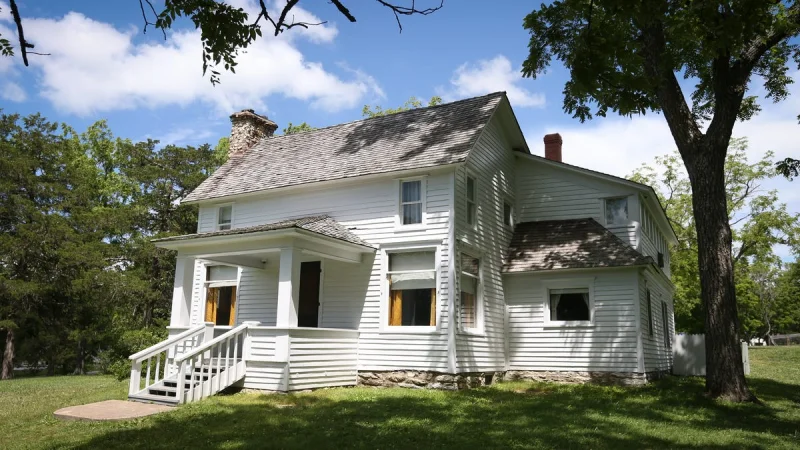
Two other stops carry a more personal kind of history. In 1947, Winston Churchill gave his Sinews of Peace speech at Westminster College’s gymnasium in Fulton; the address is better known as the Iron Curtain speech and warned of the growth of the USSR and the start of the Cold War, which lasted from 1947 to 1991. America’s National Churchill Museum keeps that speech and Churchill’s life in view on the Westminster College campus. In Diamond, the George Washington Carver National Monument at 5646 Carver Road is the first National Park Service unit dedicated to a Black American, created after Carver’s death in 1943 and tied to his work with peanuts, sweet potatoes and other alternatives to cotton.
The missing piece is plain: the roundup promises six destinations, but only four are identified in the text provided. That leaves two Missouri stops still out of view, and for readers planning a USA 250 road trip, those names are the next thing to look for.
