



Eighteen animals, birds and insects are now in the frame for Britain’s next banknotes after the Bank of England opened a public consultation on which creatures should replace historical figures on the £5, £10, £20 and £50 notes. The shortlist has been drawn up by wildlife experts, and people can now have a say on the final selection.
The consultation gives the public a month to weigh in on the cbbc-style choice of wildlife for the new series, with voting open until the end of 3 July. Victoria Cleland said she hoped people would enjoy taking part and added that the shortlisted animals show the rich variety of wildlife the UK has to celebrate.
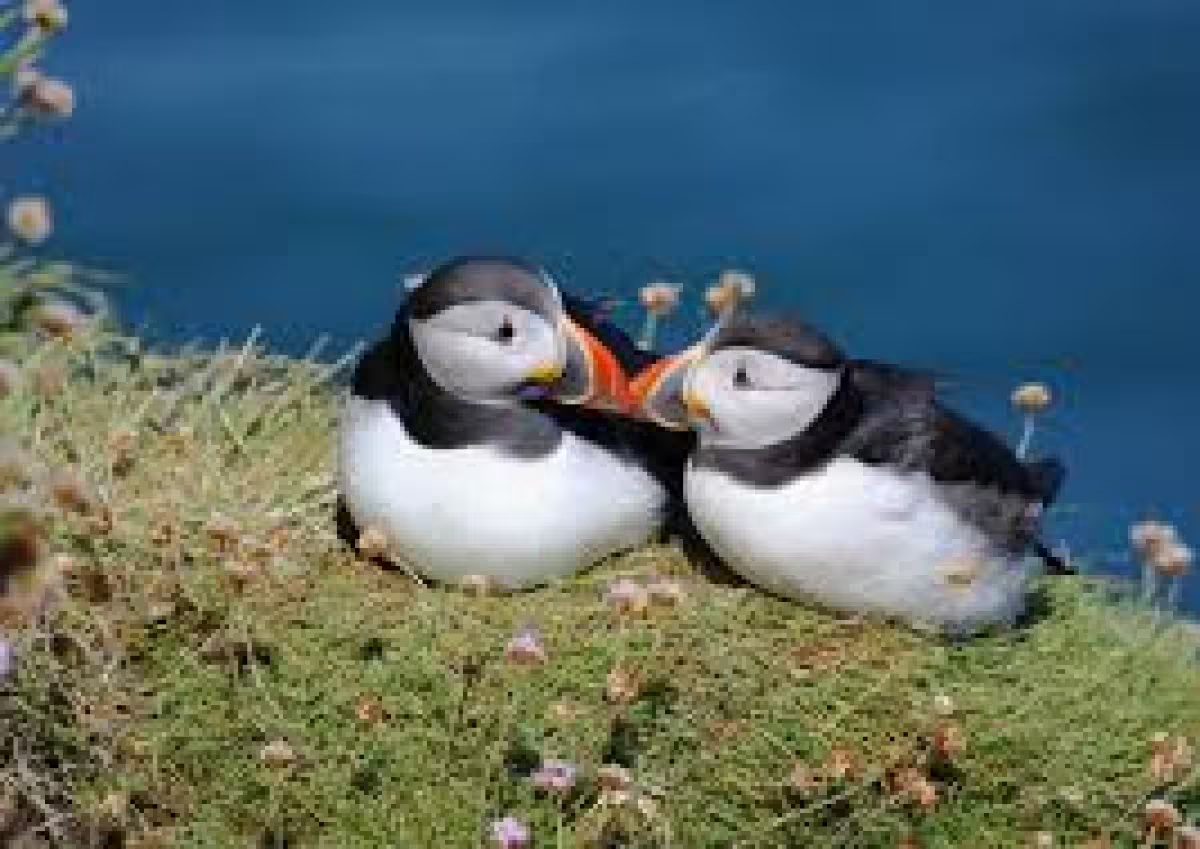
Voters can pick up to six favourites from the list, choosing no more than two from each of three groups. Among the mammals are the bottlenose dolphin, brown hare, European hedgehog, grey seal, pine marten and red fox. The birds are the Atlantic puffin, barn owl, common kingfisher, Eurasian curlew, great spotted woodpecker and white-tailed eagle. The amphibians, insects and fish are the Atlantic salmon, basking shark, buff-tailed bumblebee, common frog, Emperor dragonfly and marsh fritillary butterfly.
The process matters because banknotes do not change quickly. Designing, testing and printing them takes several years before they reach circulation, which means the public vote is only the first step in a long production chain. Earlier this year, the idea of replacing historical figures, especially Sir Winston Churchill, with British wildlife drew fierce criticism from political leaders.
That argument has not changed the bank’s process. Andrew Bailey, the Bank of England governor, will make the final decision after the consultation closes, and he is not bound to pick the four creatures that attract the most responses. The shortlist was not built by public nomination either; it came from a panel of six wildlife experts that included filmmakers, presenters, an Ulster Wildlife representative and academics. Household pets were left out. The next banknotes will feature one creature each, but which four species make the cut is still the unanswered part of the story.
