


FIFA’s clean-stadium rule has forced several 2026 World Cup venues to go by temporary tournament names, but BC Place in Vancouver is the lone exception. The policy bars World Cup stadiums from displaying branding tied to companies that are not official FIFA sponsors, and the change is already reshaping how fans will see some of the tournament’s biggest venues.
The timing matters because the first 2026 World Cup game on US soil was being played Friday night, putting the renamed stadiums in plain view for a global audience. SoFi Stadium is appearing as Los Angeles Stadium, MetLife as New York New Jersey Stadium and NRG as Houston Stadium, while FIFA said the official venue names for the tournament have been matched with Host City names and may differ from the names used locally.
That has left naming-rights sponsors swallowing an expensive compromise. Rick Burton said the temporary renamings are more visible this time because every World Cup match is being staged in existing venues, not purpose-built ones, so the branding that usually sits quietly on stadium exteriors is harder to ignore. He also noted that sponsors are not happy after paying millions for visibility, but said there was little they could do in this setup.
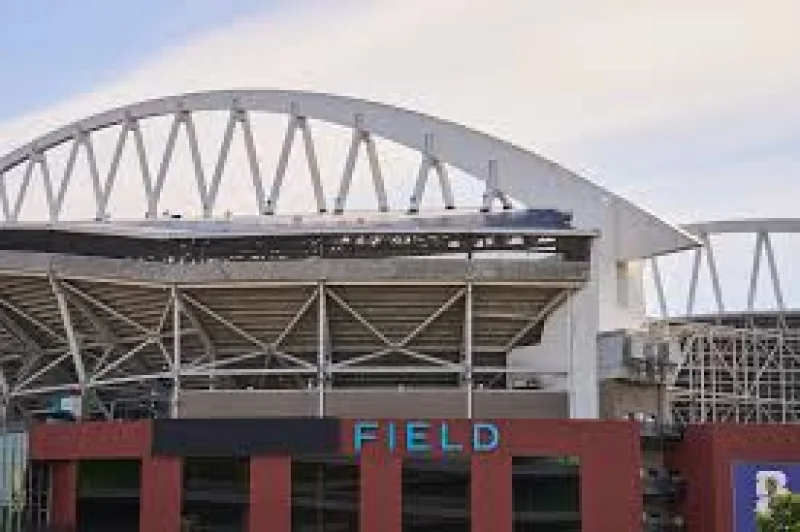
The clearest friction came in Atlanta, where Mercedes-Benz Stadium could not fully cover a giant logo on the roof without damaging it. FIFA allowed the logo to stay, a rare exception that shows how the clean-stadium policy bends when the structure itself gets in the way. Ryan Asdourian, appearing in a tongue-in-cheek video from the stadium in Seattle wearing a hardhat and neon safety vest, put the idea in blunt terms: as international fans fly in, his job is to make sure the brand is nowhere.
BC Place’s status raises a question that FIFA has not spelled out: why Vancouver’s stadium escaped the rule when the others did not. What is clear is that the 2026 World Cup is using existing venues to stage its matches, and the sponsorship reset will not end when the tournament does. SoFi will have to scrub its branding again in two years when it hosts events at the 2028 Los Angeles Summer Games, a reminder that the clean-stadium playbook now reaches well beyond one World Cup.
