


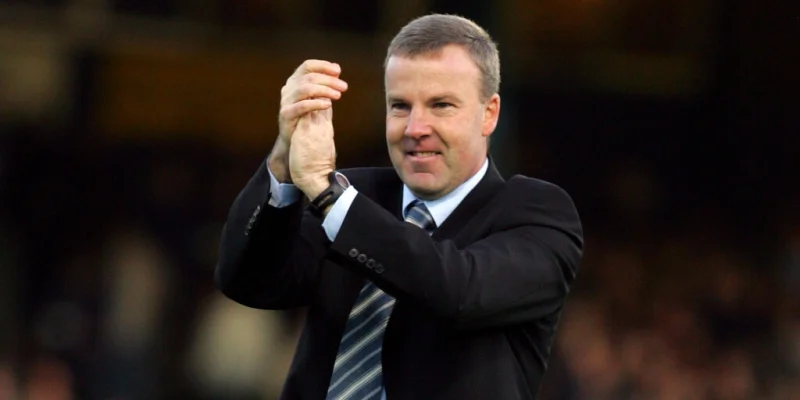
Former Swansea City manager Kenny Jackett has died at the age of 64, prompting immediate tributes from one of the players who helped shape the club’s rise under him. The death brings a sudden close to the career of a coach remembered at Swansea for order, hard lines and a run of results that changed the club’s direction.
The former player who spoke of Jackett said the news was devastating and heartbreaking for anyone who knew and worked with him, adding condolences for his family. His words gave the story its weight today: this was not just a managerial obituary, but a reaction from someone who lived through the standards Jackett set at the club.
That spell remains one of the most important in Swansea City’s modern history. Jackett guided the Swans to promotion from League Two in the final season at the Vetch Field, then came within a penalty shootout of taking them to the Championship the following campaign. He also led them to EFL Trophy success and two FAW Premier Cup triumphs, a run that still defines how many supporters judge that period.
The tribute also captured the edge that came with Jackett’s methods. The former player said the manager arrived demanding discipline, organisation and structure, and remembered being left out of the squad after telling him, “I play 90 minutes for this football club.” Jackett’s answer, he recalled, was that he would not be spoken to like that again or see that kind of behaviour at the football again. Yet the same voice made clear that Jackett was not rigid for its own sake; he knew when to allow players to express themselves, and when he did, the balance worked.
That mix of control and understanding is why the memories around Jackett read as more than routine praise. He gave Swansea City promotion, trophies and a final flourish at the Vetch, including a win over Wrexham in the last game there, when the former player said he scored the winner and the fans spilled onto the pitch. No cause of death has been made public, and for now the lasting measure of Jackett is the same one his former player reached for: he had done something special that could be carried with pride for the rest of a life.
