


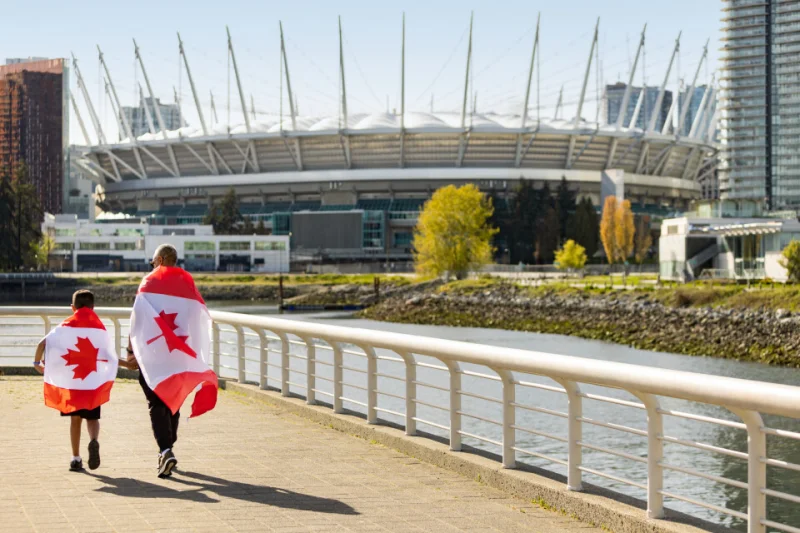
Whitecaps FC executives are now saying the club could relocate to a U.S. city if it cannot find new local owners and break free of its BC Place lease. The warning lands as the team prepares for another stretch of high-profile soccer in Vancouver and forces a blunt question: how long can one of Major League Soccer’s premier clubs stay in a market that still leaves it last in league revenues?
Simon Fida heard that question in a more personal way on a crisp Sunday afternoon in May, when he stood with Dean Massignani at Willoughby Stadium in Langley, British Columbia, watching Whitecaps FC in a Canadian Championships match. Fida and Massignani have followed the club in all its iterations since the late 1970s, long enough to see the Whitecaps survive name changes, league changes and stadium fights. Now they are watching a team with 6,500-seat Willoughby Stadium just 23 miles from Lynden talk openly about leaving the region entirely.
The stakes are not small. BC Place is preparing to host seven FIFA World Cup games, and the Whitecaps have reached the MLS Cup playoffs in eight of their 11 seasons, advanced to the 2025 final and won four straight Canadian championships. Attendance in Vancouver has climbed above 20,000 a game in recent years, which makes the financial complaint harder to ignore: club officials say the lease at BC Place is so unfavorable that they cannot compete with the other 29 MLS clubs.
Axel Schuster sharpened that point in January, saying the Whitecaps had been the second-best team in North America and the last team in MLS revenues. He added that it did not fit together. MLS clubs draw money from ticket sales, luxury suites, concessions, parking, merchandise, player transfers, corporate partnerships, broadcasting, stadium naming rights and game-day banners, but Vancouver’s deal at BC Place still leaves the club trailing. Vancouver Mayor Ken Sims said in April that the market can support the team, but the stadium deal right now does not work.
That is the friction inside the story: a club with strong crowds, a deep playoff record and a place among the league’s better teams is still talking like a franchise under pressure. Josh Smith, a Whitecaps supporter, put it more plainly at the FIFA World Congress, saying the response felt as if decision-makers had horse blinders on and calling it shortsighted. The Southsiders staged a rally there as well, underscoring how far the issue has moved beyond a simple stadium complaint.
What happens next is still unsettled. The club has not named a U.S. city, and it is not clear when any ownership decision would come. But the message from the team is already stark: without a new financial structure at BC Place and without new local owners, Vancouver’s marquee soccer club could end up somewhere else.
