


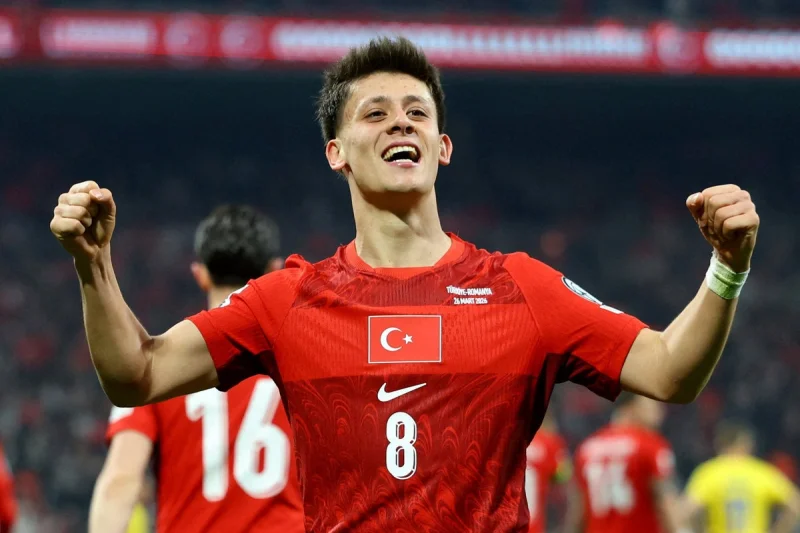
Vincenzo Montella has taken Turkey into Group D with one of the strongest squads the country has assembled in living memory, but the shape of their campaign is already clear: the attack can carry them a long way, and the defence may decide whether they get there. Turkey open against Australia with Arda Guler fit again after a recent injury scare, a timely boost for a team that is being asked to turn promise into progress.
That is why Montella’s name is drawing attention now. Turkey are not arriving at this World Cup with the usual air of survival. They have two genuine stars in Arda Guler and Kenan Yildiz, both 21, and Hakan Calhanoglu gives the midfield a senior voice, while Orkun Kokcu adds another layer of control. The immediate question is whether that core can move Turkey out of Group D against Australia, Paraguay and the United States.
Montella has built the side around a tactically fluid, high-intensity 4-2-3-1 that is designed to get the most from Guler. That shape gives the young creator freedom between the lines and lets Turkey flood forward without abandoning structure in possession. Guler, who suffered a major injury scare only a few weeks ago, has already made clear how he sees the moment, saying that if there is pressure, he is here for it. For a team that has often lived on the edge of expectation, that sort of confidence matters.
The deeper measure of this squad is experience, and here Turkey are different from the teams that once failed to turn talent into tournament progress. They have reached a World Cup only once before, in 2002, when they finished third, and Montella is trying to move them past the old reputation that made “dark horses” feel more like a burden than a compliment. He has also created an unusually calm camp, helped by his own line that the culture he grew up in and the culture he found in Turkey are incredibly similar, and that he can think, eat and act like a Turk. That sense of fit has given the project stability.
Still, the flaw is hard to miss. Turkey’s best football comes in midfield and attack, but their defence is described as unpredictable and lacking discipline and organisation. Abdulkerim Bardakci and Merih Demiral are likely to be the centre-back pairing, yet they have never played together at club level, which leaves Montella asking a lot of a partnership that has not been tested in that setting. In a short tournament, that is not a small detail. Turkey may have the quality to trouble anyone in Group D; whether they advance will depend on whether the back line can hold its shape long enough for the front half to matter.
