


FIFA has locked in the rule that will govern how teams handle injuries at the 2026 World Cup: an outfield player can be replaced only before a team's first match, while a goalkeeper can be changed at any point in the tournament. For the 48 nations trying to finalize squads, that means the clock is already running on every medical decision.
That is why the question of how many subscriptions in the World Cup is being searched now. Rosters were due June 1 and released the next day, while the 2026 World Cup opens June 11, leaving only a short window to deal with late injuries before the competition starts and the list becomes fixed.
The numbers are tight. Every nation first submitted a preliminary list by May 11 of 35 to 55 players, including four goalkeepers, then cut that group to a final squad of 23 to 26. If an outfield player is ruled out by serious injury or illness, the replacement must come from the preliminary list, must be approved in writing by FIFA’s Medical Committee, and must be made no later than 24 hours before kickoff. After that, the roster is locked. A pulled hamstring in the group stage does not open a spot. A broken foot in the quarterfinals does not bring in a substitute. If the move is made before the deadline, it is permanent, and the injured player is done for the rest of the tournament.
The goalkeeper rule is the exception that makes the system uneven. Teams must carry at least three goalkeepers on the final roster, and if one is hurt, the replacement does not even have to come from the original list. That distinction matters because the same tournament has already seen stars edge toward the exit line. Rodrygo is out, Mo Salah is hoping to be ready, and Lamine Yamal is racing to get fit. For players like Yamal, the difference between a problem before the first match and one after it could decide whether a nation can respond at all.
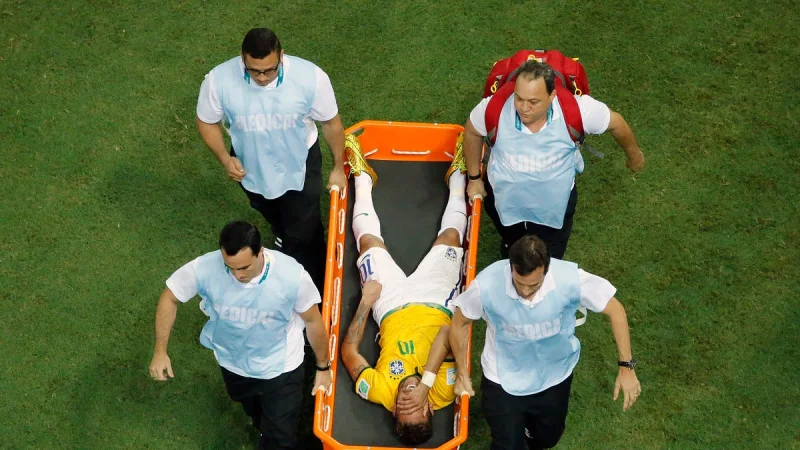
Football has seen what happens when a keeper is forced in late. Gordon Banks fell ill the day before England's quarterfinal against West Germany at the 1970 World Cup in Mexico, and Peter Bonetti was called in with little more than an hour to prepare. His mistakes helped West Germany rally from two goals down. Brazil lived through a different kind of injury crisis in 2014, when Neymar fractured a vertebra in his back in the quarterfinals and Brazil later lost 7-1 to Germany in the semifinal. FIFA's rule for 2026 is designed to avoid chaos before the tournament starts, but once the first whistle blows, it leaves almost no room for rescue.
That is the real deadline now. Teams can still act before their first match, but after that, even a serious injury cannot reopen the roster. For the 48 nations, the last day to change an outfield player is not the day the tournament begins; it is 24 hours before their own opening game.
