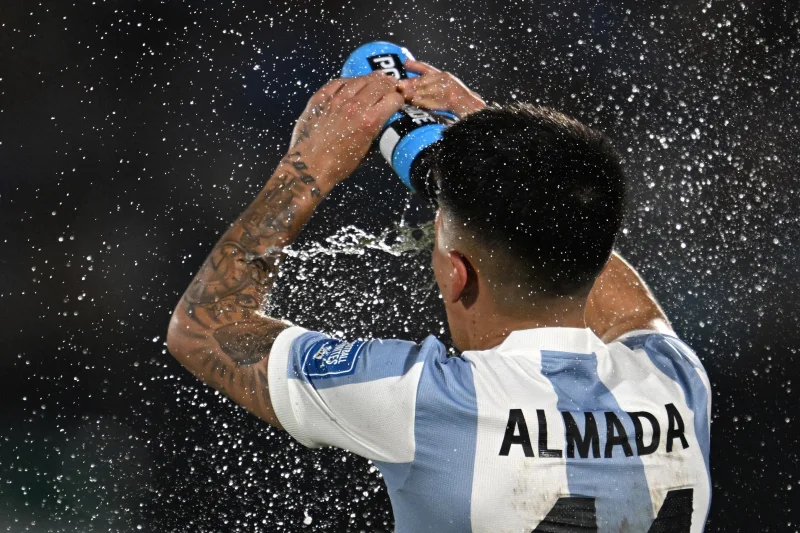
FIFA will require three-minute hydration breaks midway through each half of all 104 games at the 2026 World Cup, turning a brief pause for players into a feature of every match. The governing body says the rule is meant to prioritize player welfare, but it also creates a new block of time that broadcasters can sell to advertisers.
That change is landing now because FIFA has already told broadcasters they may sell advertising during the tournament's compulsory breaks, a shift announced in March that will affect how every match is televised. The rule is not limited to hot afternoons or open-air stadiums. It also applies in domed, climate-controlled venues and in outdoor matches when the weather is not hot, with FIFA saying the same treatment across the tournament provides standardization.
The scale matters. A three-minute stoppage in each half means every game will carry a built-in interruption, whether viewers see commercials, analysis or live pitch coverage. Fox cuts to full-screen commercials during hydration breaks. Telemundo has said it will not do that, instead showing what is happening on the field, including team huddles, along with replays and analysis. In Europe, what viewers see will vary by country, because some broadcasters prohibit those commercials while others are introducing them for the first time.
FIFA is not inventing the idea of a water break, but it is removing the discretion that used to shape them. At the 2014 World Cup in Brazil, water breaks were considered match by match. The first unofficial stoppage came during a very hot and humid group stage match between the United States and Portugal in Manaus, Brazil, and the first official cooling break followed in Fortaleza during a round of 16 match between the Netherlands and Mexico, when the temperature reached 39°C. Those breaks were allowed when the Wet-Bulb Globe Temperature went above 32°C.
That history is why the new rule feels both practical and uneasy. FIFA frames it as a welfare measure, yet the same mandatory pause hands broadcasters a predictable commercial window in every game, even in places and conditions where heat is not the issue. Observers also say the stoppages may give coaches a fresh tactical opening, and the tournament already includes other television-facing changes such as sideline interviews of coaches at halftime. For fans, the bigger question is not whether the breaks will happen. It is how much of the game’s rhythm, and how much advertising value, FIFA is willing to place inside them.