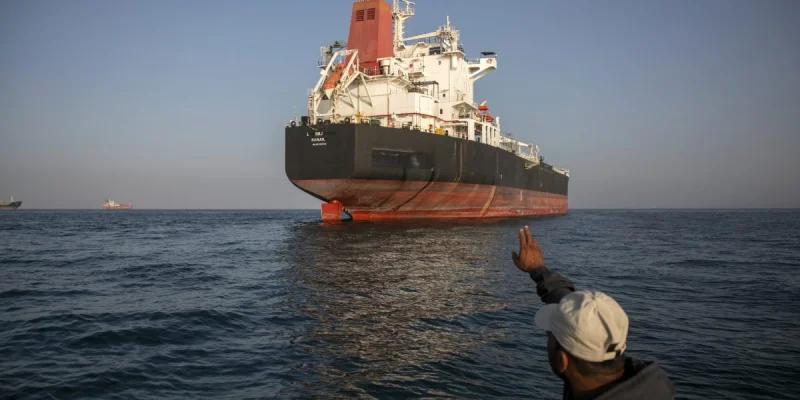
Crude prices are still hovering near $94 a barrel even after more than three months of war in Iran that analysts once thought could send oil above $200 a barrel. China’s sharp cut in imports has become one of the main reasons the market has not broken higher.
On Wednesday, oil traded around $94 after President Donald Trump said Iran would pay the price for its laggard progress in brokering a peace deal. That was still below $104 a barrel a month earlier, a strikingly calm level for a conflict that has rattled one of the world’s most important energy routes and left traders braced for a far bigger shock.
JPMorgan analysts said that as the conflict entered its fourth month, one development stood out: prices had become remarkably calm. That calm has held because China, the world’s biggest crude buyer, has been pulling back hard. Its imports fell from about 11 million barrels a day on average over the last five years to 7.8 million barrels a day in May, the lowest level in nearly a decade. That reduction accounts for about 74% of the world’s decline in global crude oil trade.
Societe Generale called China the market’s key rebalancing force in a note published Monday. Its analysts said a 14% loss in global crude supply from the effective closure of the Strait of Hormuz has lifted prices by about 30%, far less than the jump some had feared. The gap matters because about 20% of the world’s oil supply moves through that waterway, and its disruption has been described as the largest energy shock in global history.
The restraint has been helped by China’s own cushion. Its strategic oil reserves touch 1.4 billion barrels, giving Beijing room to lean on stocks rather than chase barrels at higher prices. Michal Meidan asked how low imports and refinery runs could go before China has to tap those stocks more meaningfully or resume crude buying at higher costs, and what that means for product supplies and oil-based chemicals.
That question matters because China has learned the cost of tightening too far. In late 2021, a global coal shortage helped trigger an energy crisis there, with power companies losing money under government price caps, plants shutting down and severe blackouts following. Meidan said Chinese stakeholders appear to have judged correctly how much they need to keep the economy running, even if that means tolerating lower imports for now.
There are still limits to how long China can keep doing this. Societe Generale noted that the United States appears willing to keep exporting oil and that vessels have been getting through the Strait of Hormuz more than many initially expected. If that continues, the market may keep absorbing the shock. If it does not, Beijing will eventually have to decide whether to burn through reserves faster or return to the market as a buyer at higher prices.