


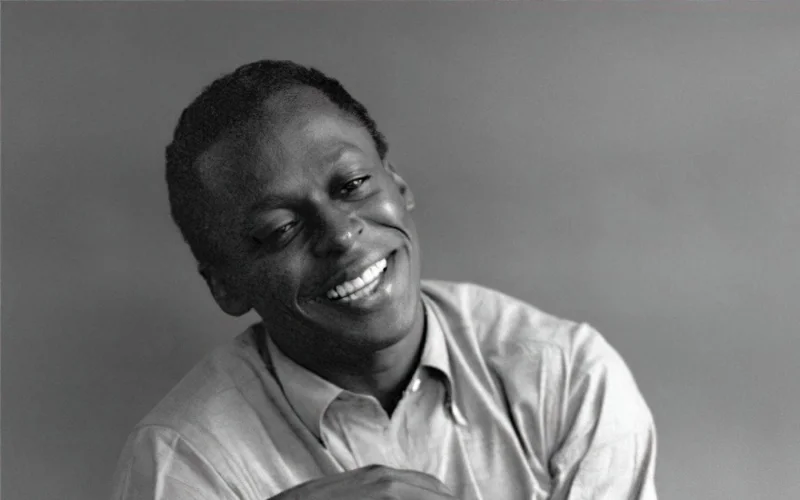
Vancouver’s jazz calendar is turning toward Miles Davis this month as the Vancouver International Jazz Festival stages two tribute concerts for the centennial of his birth. Ron Di Lauro opens the run on June 22 at the BlueShore Financial Centre for the Performing Arts, with Keyon Harrold set to follow at the Vancouver Playhouse on June 30.
The timing gives the celebrations a sharper edge: it is 100 years since Miles Dewey Davis III was born in Alton, Illinois, and 67 years since Kind of Blue first appeared. Di Lauro’s show, billed as Kind of Blue: Tribute to Miles Davis, is built around Davis’s late-1950s period and especially the 1959 album that remains the best-selling jazz LP of all time. For Vancouver listeners, the draw is not just the music itself, but the chance to hear two trumpeters approach it from different angles on two separate nights.
Di Lauro is not treating the performance as an imitation exercise. He said Davis would probably have told musicians not to play like him, adding that the trumpeter used to “give shit” to players who copied him and that he once told Wynton Marsalis, “Stop trying to play like me. Play like you.” Di Lauro said he plans to play Kind of Blue, but when it is time for his solo he will use his own vocabulary and try to “stay cool.”
That idea sits at the center of the tribute problem and the tribute appeal. Davis is being honored through concerts built on his signature work even though the man himself was known for pushing trumpet players away from mimicry and toward their own sound. The celebration survives the contradiction because the musicians taking part are not presented as stand-ins for Davis. They are treating his music as a starting point, not a costume.
Harrold’s turn on June 30 points in that direction as well. He is scheduled to play some of Davis’s tunes with his own at the Vancouver Playhouse, drawing on a perspective shaped in part by his work on Don Cheadle’s 2015 Miles Ahead biopic, for which he provided the Grammy Award-winning trumpet parts. Harrold said that when that project came along, it was a scenario he understood, and later added that he had absorbed Miles Davis’s lessons over time before setting them aside to do his own thing.
The festival’s pair of concerts does more than mark an anniversary. It shows how Davis’s music still travels best when performers meet it on their own terms. The open question for listeners at the Playhouse is not whether Harrold will sound like Miles Davis. It is which parts of Davis he chooses to carry forward, and which parts he leaves behind.
